It is easy to assume that a diamond with a greater carat weight will always look bigger. In reality, that's not always the case. Two one-carat diamonds can create very different impressions once they're set into a ring. Here’s why.
Which diamond shape looks the biggest?
Although every diamond has its own character, elongated shapes such as marquise, oval and pear generally create the greatest impression of size because they spread more of their weight across the finger.
Marquise
If your priority is making a diamond look as large as possible, the marquise cut is hard to beat. Its long, pointed outline stretches across the finger, creating the illusion of a noticeably larger stone.
Oval
Oval diamonds are a favourite with many couples because they offer an excellent balance of both sparkle and size. Their elongated shape often makes them look larger than a round diamond of the same weight.
Pear
Pear-shaped diamonds combine the sparkle of a round brilliant with the length of a marquise. The result is an elegant shape that often looks larger than its carat weight suggests.
Emerald
Emerald cuts have a sophisticated, understated appearance. Their broad, open table can make them look larger from above, while their step-cut facets create bold flashes of light rather than the glittering sparkle of brilliant-cut diamonds.
Which diamond shapes tend to look smaller?
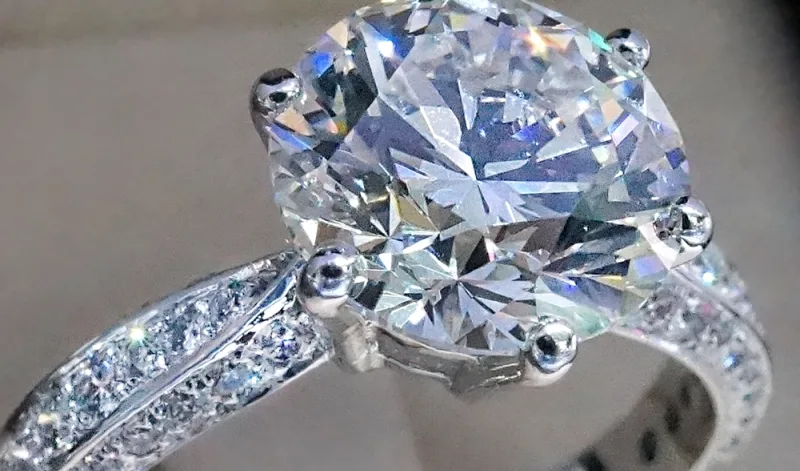
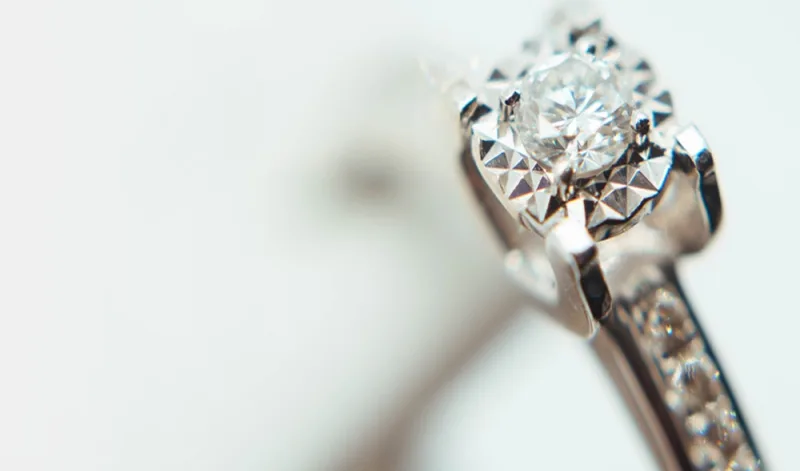
Not all diamond shapes maximise their visible size. For example, round brilliant diamonds are prized for their sparkle, but more of their weight sits deeper within the stone, so they often appear slightly smaller than elongated shapes of the same carat weight.
Other factors that affect how large a diamond looks
Shape isn't the only factor that affects how large a diamond appears.
Finger size
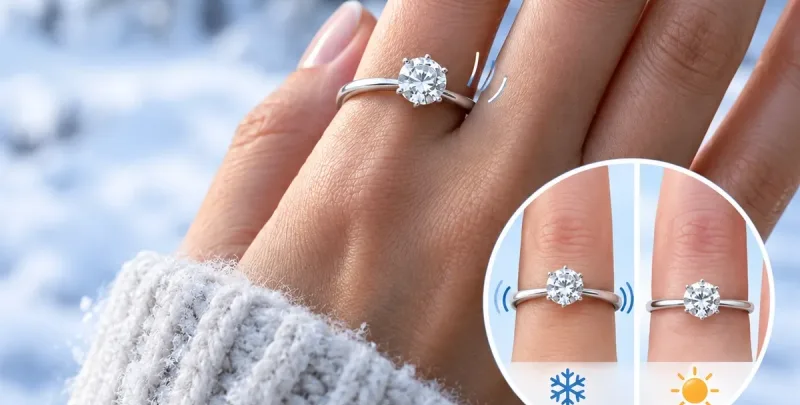
The same diamond can look different depending on the wearer's finger size. On a slimmer finger, it can often appear larger because it occupies a greater proportion of the finger's width.
Cut quality
A well-cut diamond reflects the light more effectively and can appear brighter and larger than a poorly cut stone.
Setting style
The ring setting can dramatically change how large the centre stone appears:
- Solitaire settings place the focus on the diamond itself
- Thin bands create greater visual contrast
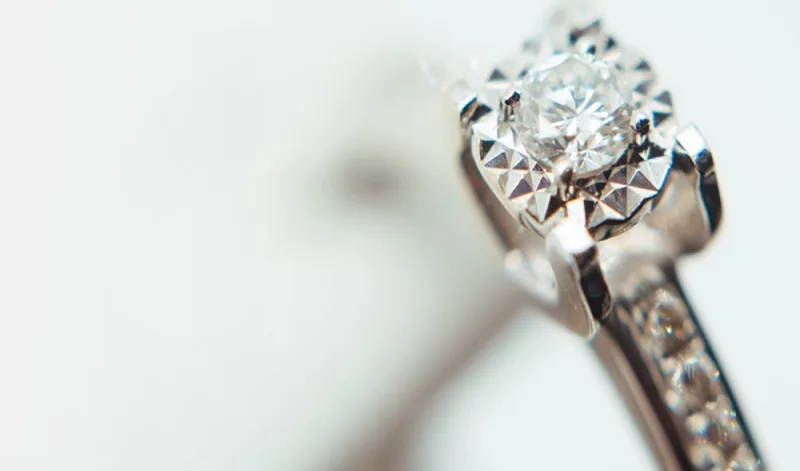
- Hidden halo settings increase sparkle without dramatically changing the ring's appearance
- Four-prong settings expose more of the diamond than six-prong designs.
While the setting can influence how large a diamond appears, it should also provide appropriate security for the stone. Your jeweller can advise on a setting that offers the right balance between appearance, durability and protection.
Lab-grown diamonds vs. mined diamonds
Buyers working to a fixed budget sometimes choose a lab-grown diamond because a larger stone may be available at a lower purchase price than a comparable mined diamond. Whether you choose a lab-grown or mined diamond, it is worth ensuring your ring is valued and protected with appropriate diamond ring insurance.
Protecting your engagement ring
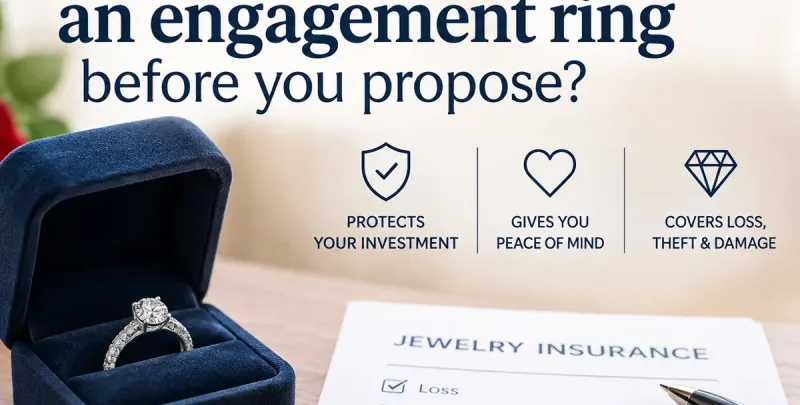
Whatever diamond shape you choose, an engagement ring is likely to be both valuable and sentimental. Specialist engagement ring insurance can help protect it against risks such as theft, accidental loss and accidental damage, subject to the policy terms, conditions, limits and exclusions.