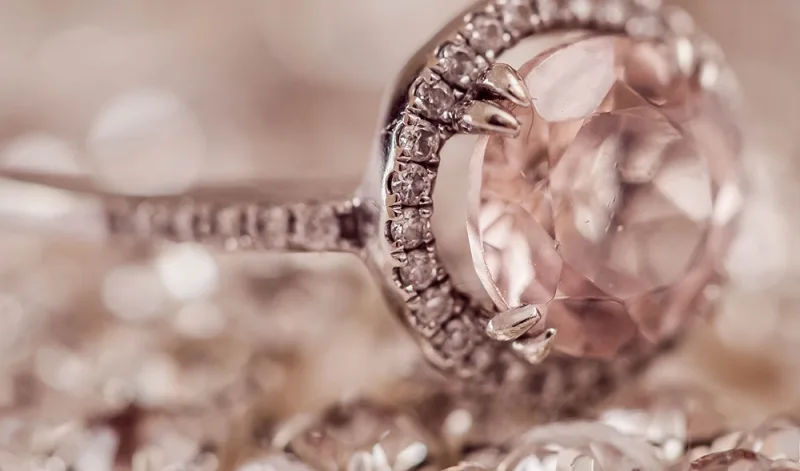
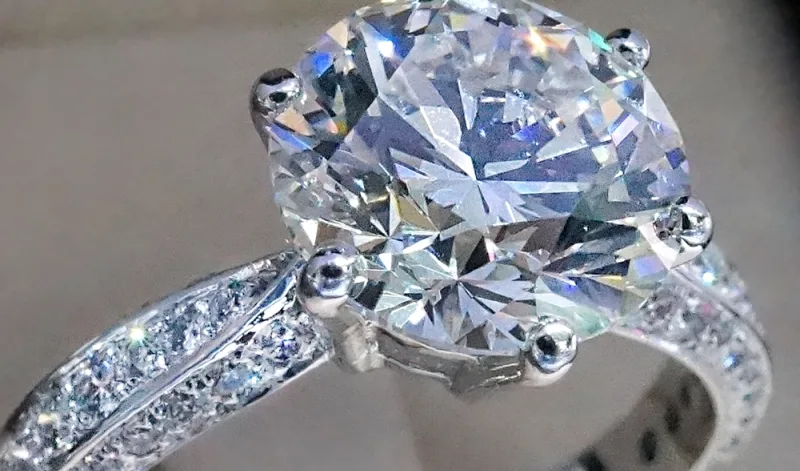
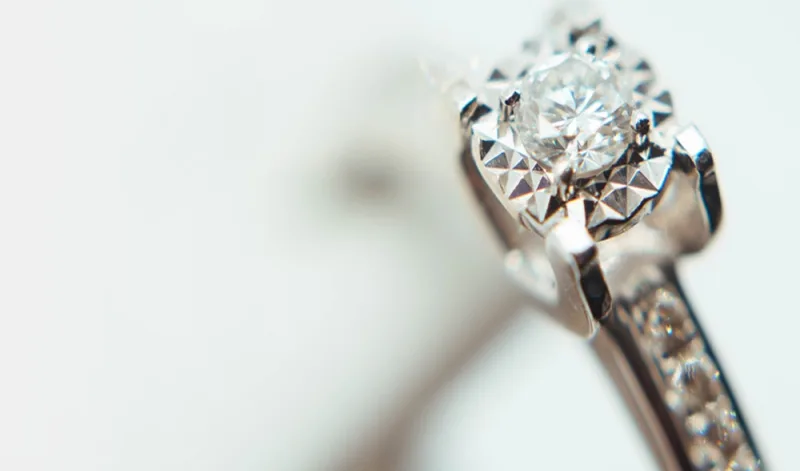
Yes, Cold weather can make your engagement ring feel looser because your fingers can temporarily become smaller as temperatures fall. A ring that fits perfectly for most of the year might suddenly start spinning, moving around or slipping more easily over your knuckle.
That doesn’t necessarily mean it needs resizing. In fact, the change may simply be seasonal. But if your ring feels loose, it’s worth taking a few precautions to help prevent it from disappearing unnoticed.
Why do rings become loose in cold weather?
When temperatures drop, the blood vessels in your fingers narrow, which can make your fingers temporarily smaller. Finger size can also fluctuate with temperature, humidity and even the time of day.
That’s why an engagement ring that feels secure in a warm house can feel surprisingly loose once you’ve been outside in the cold.
Could your engagement ring actually fall off?
Potentially. If your finger has become smaller, there may be less resistance to stop the ring sliding over your knuckle.
Watch out for a ring that:
- Spins freely around your finger
- Slips over your knuckle with little resistance
- Moves noticeably when you lower or shake your hand, or
- Feels much looser outdoors than it does indoors.
And there’s one everyday winter activity that deserves particular attention: taking off your gloves.
Be careful when removing gloves
A loose engagement ring can be pulled or dislodged as you remove a glove – and you may not immediately notice.
Instead of tugging your gloves off by the fingertips, remove them slowly and check your ring afterwards. When possible, take them off over a table, inside your bag or somewhere a dropped ring would be easy to spot and retrieve.
Before putting your gloves away, check inside them too. A loose ring could have slipped off and become caught in the lining.
What can you do about a loose engagement ring?
If your ring only becomes loose during cold weather, permanent resizing may be unnecessary.
One option is a temporary ring adjuster. These are small inserts, often made from clear plastic or silicone, that fit around or inside the band to create a snugger fit. They can be removed again when they’re no longer needed.
or a longer-term solution, a jeweller might suggest sizing beads. These are small metal beads added to the inside of the band to reduce the amount of space between the ring and your finger. As this involves altering the ring, ask a professional jeweller whether it is suitable for your particular piece.
When should you consider resizing?
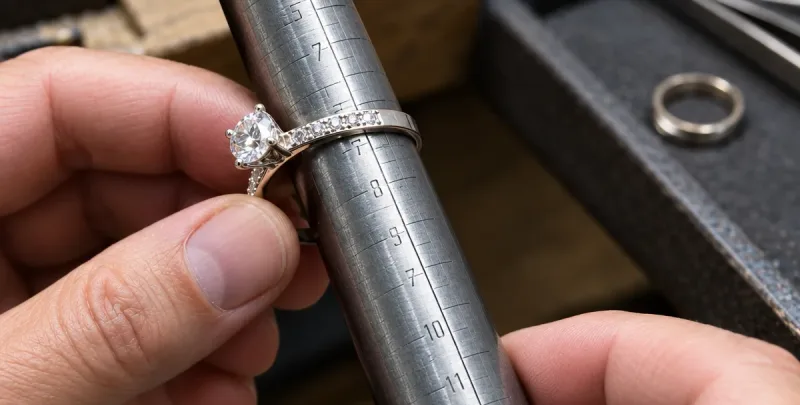
If your engagement ring is still loose when your hands are comfortably warm, regularly slips over your knuckle or has become noticeably looser over time, it’s worth having the fit checked professionally.
Try not to make a decision about resizing based on how the ring fits when your hands are particularly cold.
Our guide to when you should get a ring resized explains this in more depth.
Protect your engagement ring from accidental loss
Winter may change how your engagement ring fits, so get into the habit of checking it before heading out. If it suddenly feels much looser than usual, don’t assume it will stay safely on your finger.
It’s also worth considering how your ring would be protected if it were lost.
At Assetsure, our specialist engagement ring insurance includes cover for accidental loss, accidental damage, theft and loss of stones, subject to the policy terms and conditions. Worldwide cover is also included, with no individual trip abroad exceeding 60 days.
A cold day shouldn’t mean leaving your engagement ring at home. But if the fit changes with the weather, a quick check and a few simple precautions could help ensure it comes home with you.