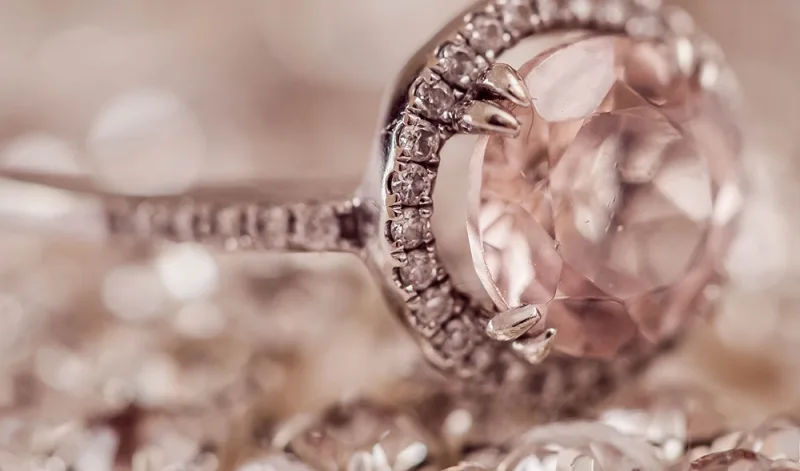
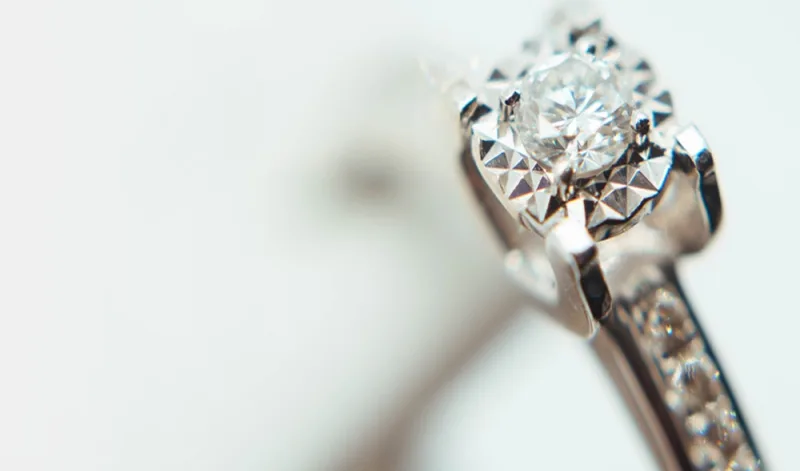
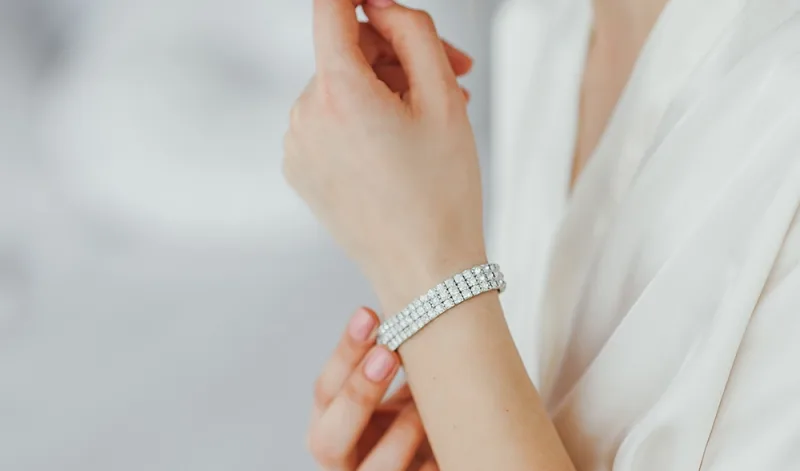
You paid £3,000 for your engagement ring, but you've just had it valued at £4,000. Has it really gone up in value by £1,000?
Not necessarily.
An engagement ring insurance valuation isn't simply an updated version of the price on your receipt. It looks at what your ring would cost to replace today, so you have an appropriate value for; insuring your jewellery.
For jewellery insurance, this can mean the full retail replacement value, including VAT. That's why the figure may be considerably more – or less – than you originally paid.
Why might my engagement ring valuation be higher?
You got a good deal when you bought it
Perhaps you bought your engagement ring in a sale. Maybe the jeweller gave you a discount, or you simply found the ring at a particularly good price.
That doesn't necessarily mean you could find the same deal again if the ring needed replacing. The appropriate replacement cost may therefore be higher than the discounted price you happened to pay.
Gold, platinum and gemstone prices move
An engagement ring bought several years ago was made using materials bought at the prices prevailing at the time. Those prices don't stand still.
Gold and platinum prices fluctuate, as can the costs of diamonds and other gemstones.
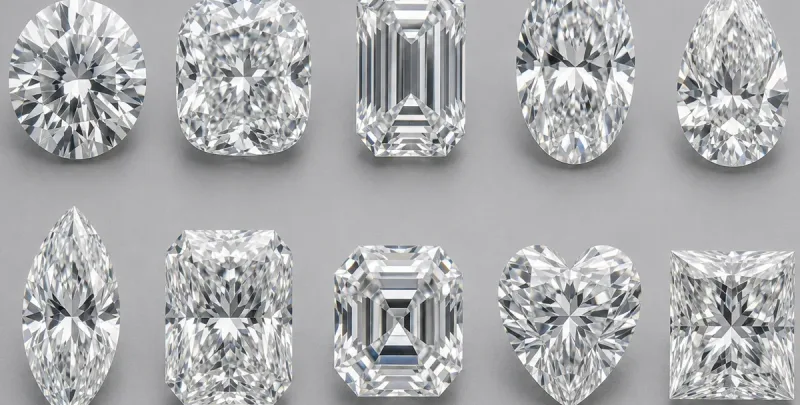
For diamonds, characteristics such as cut, colour, clarity and carat weight also matter.
Your ring may not be straightforward to replace
Bespoke and unusual engagement rings can present another challenge.
If yours was individually designed, replacing it might mean finding a comparable gemstone and recreating the setting. Specialist craftsmanship and manufacturing prices may also form part of what it would cost to reproduce the ring.
Is a jewellery insurance value the same as resale value?
No – and this is an important distinction.
If your ring is valued at £5,000 for insurance purposes, it doesn't follow that somebody would pay you £5,000 for it.
Jewellery is valued differently depending on the purpose of the valuation.
For engagement ring insurance, the valuation typically reflects the full retail replacement value, including VAT, taking into account the jewellery's nature, quality and design, and where a comparable replacement could be obtained.
This may be considerably higher than the amount you might receive if you sold the jewellery. Resale value can be affected by factors such as its condition, materials, current tastes and the second-hand market.
So, the price you paid, the insurance valuation and the resale value can all be different.
Should I update my engagement ring valuation?
Yes. It’s worth keeping your engagement ring valuation up to date, as the cost of replacing it may be very different from when you first bought it.
At Assetsure, we recommend having your jewellery professionally revalued every two years. Gold, platinum and gemstone prices move up and down, and the cost of making jewellery changes too. An up-to-date valuation gives you a better idea of what it would cost to replace your ring today.
So, if you paid £3,000 for your engagement ring and it’s now valued at £4,000, it doesn’t necessarily mean you’ve “made” £1,000. The valuation is there to give an indication of what it could cost to replace your ring today - which can be quite different from the price you originally paid.