If you bought a piece of jewellery five or ten years ago, would it cost the same to replace today? In many cases, probably not.
We tend to think about inflation in terms of everyday spending – the weekly shop, energy bills or the cost of filling up the car. But rising prices can also affect jewellery. And because the value of a piece may depend on gold, other precious metals, gemstones and the work involved in making it, the change in replacement cost won't necessarily mirror the UK's headline inflation figure.
For anyone with jewellery insurance, that's worth bearing in mind, particularly if a piece hasn't been valued for several years.
What does inflation have to do with jewellery?
The Bank of England describes inflation as the rate at which prices rise. One of the main measures used in the UK is the Consumer Prices Index (CPI), which tracks changes in the cost of a representative selection of goods and services.
In June 2026, UK CPI inflation was 2.6% (according to the Bank of England's July 2026 Monetary Policy Report). To put that figure into context, a 2.6% increase on £5,000 would be £130, taking the price to £5,130. But that doesn't mean a £5,000 piece of jewellery will necessarily cost £5,130 to replace.
Gold prices don't follow inflation
Gold is perhaps the clearest example. Its price is determined by the global market and can rise or fall for many reasons. During 2025, the London Bullion Market Association (LBMA) Gold Price recorded 53 new all-time highs and its annual average price was 44% higher than in 2024.
A sharp rise in the price of gold can affect the cost of replacing jewellery, particularly pieces containing a substantial amount of the metal. We look at this in more detail in our blog: How the price of gold can affect your jewellery insurance.
Of course, not every piece is made from gold. Platinum and silver prices also change, while diamonds and other gemstones have their own markets. Currency movements can play a part too, particularly where stones or materials are bought internationally.
Is the price you paid still relevant?
Your original receipt shows what you paid, but several years later it may not reflect what an equivalent jewellery piece would cost today.
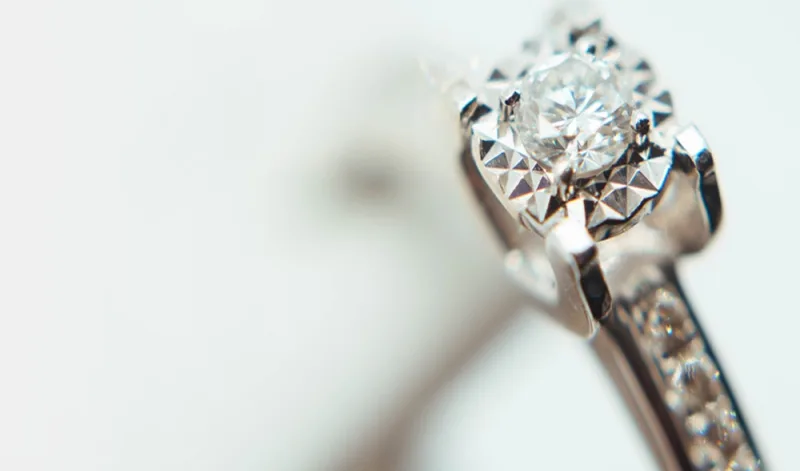
A ring bought for £5,000 several years ago, for example, might now have a different replacement value because the cost of its materials, stones and manufacture has changed.
Inflation, material prices and exchange rates are among the reasons for having jewellery valued regularly. Simply index-linking an old valuation may not always be enough, as precious stones and metals don't necessarily follow general inflation.
When did you last have your jewellery valued?
If you can't remember, it may be worth checking.
At Assetsure, we typically suggest reviewing jewellery valuations every two years, although what is appropriate will depend on the item and your jewellery insurance policy.
A professional jewellery valuation looks at the actual piece rather than applying a general percentage increase to an old figure. Depending on the item, this can include its precious metal, gemstones, design, quality and the current cost of replacing it.
Ultimately, inflation is only part of the story. Gold and other precious metal prices, gemstones, exchange rates and the cost of skilled workmanship can all affect replacement costs. Keeping valuations under review can help you check that the amount shown on your jewellery insurance policy still reflects what the item could cost to replace today.
Disclaimer: This article is for general information only and does not constitute financial or insurance advice. Insurance cover, limits, exclusions and valuation requirements vary. Please check your policy wording or contact your insurer or Insurance Advisor.