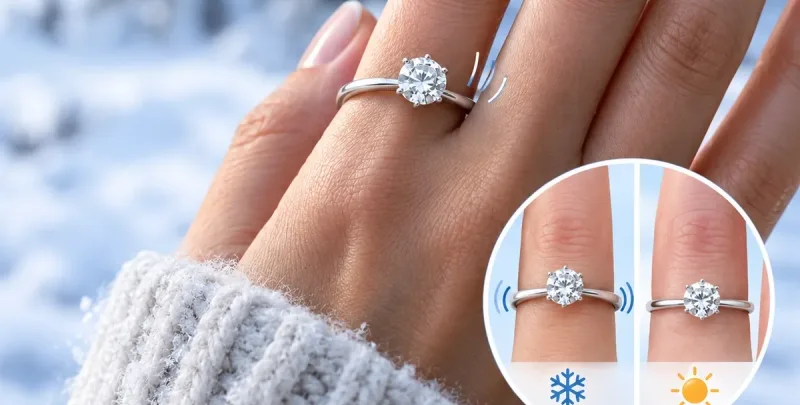
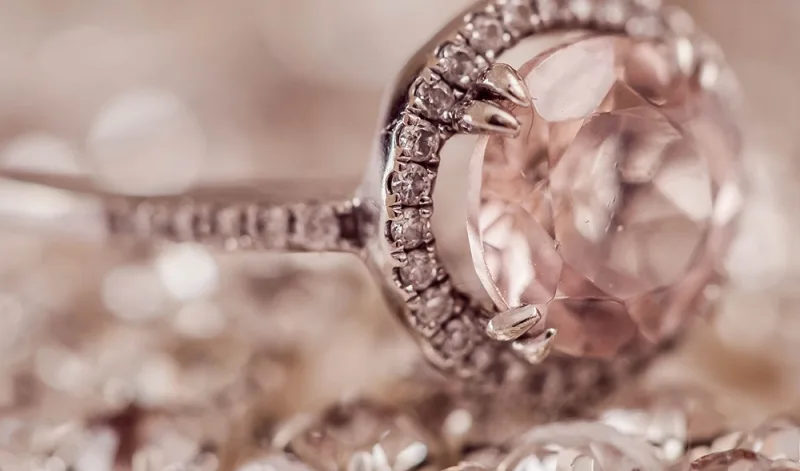
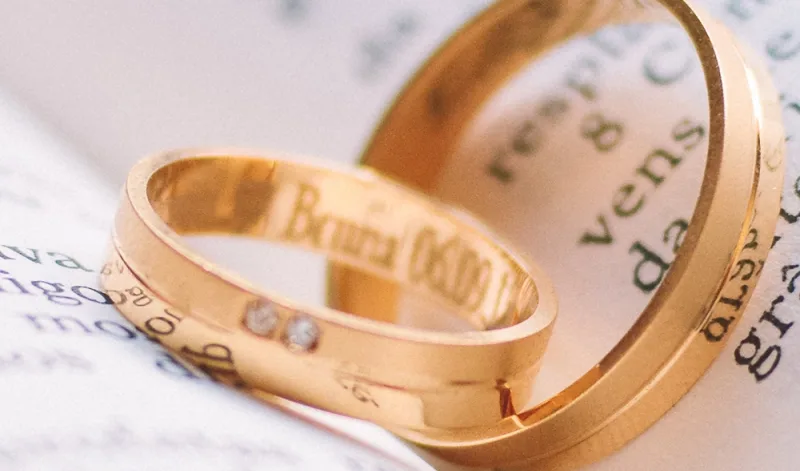
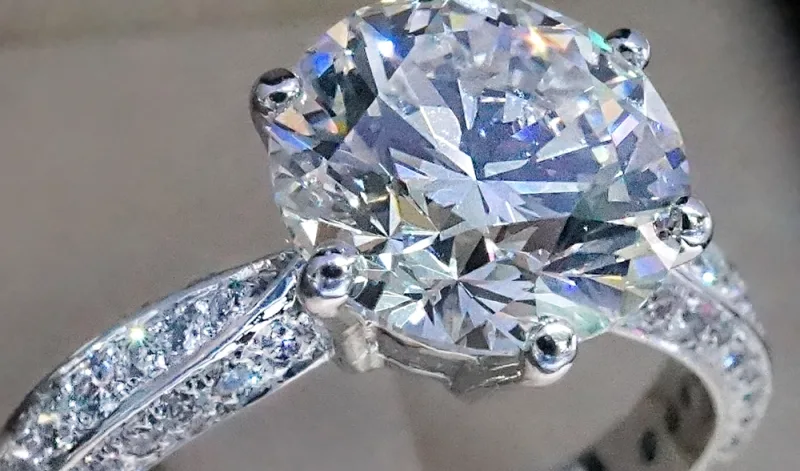
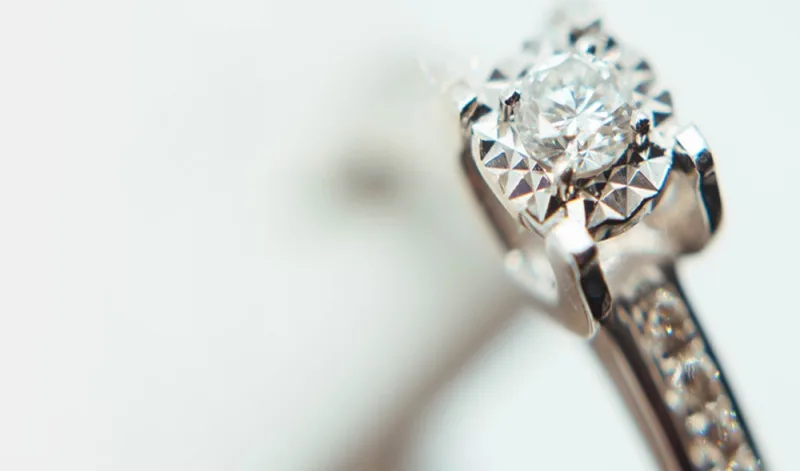
Many engagement rings can be resized safely without affecting their appearance or value, provided the work is carried out by an experienced jeweller. However, some rings are more difficult to alter than others.
Resizing and whether it is suitable depends on the metal, design, gemstone setting and how much the ring needs to be made larger or smaller. A jeweller should examine the ring first to assess the risks and recommend the best approach.
How far can you resize an engagement ring?
As a general guide, rings can usually be resized by up to two sizes either way. That doesn't mean every ring can: stones set into the band, for example, can limit how much it can safely be altered, as we discuss next.
Can all engagement rings be resized?
No. A straightforward solitaire engagement ring is usually easier to alter than a ring with a more complicated band or setting, and some rings give a jeweller very little room to work with.
Rings with stones running around much or all of the band, for example, can be particularly awkward. The same applies to some unusual settings and metals. Designs that may be difficult or impossible to resize include:
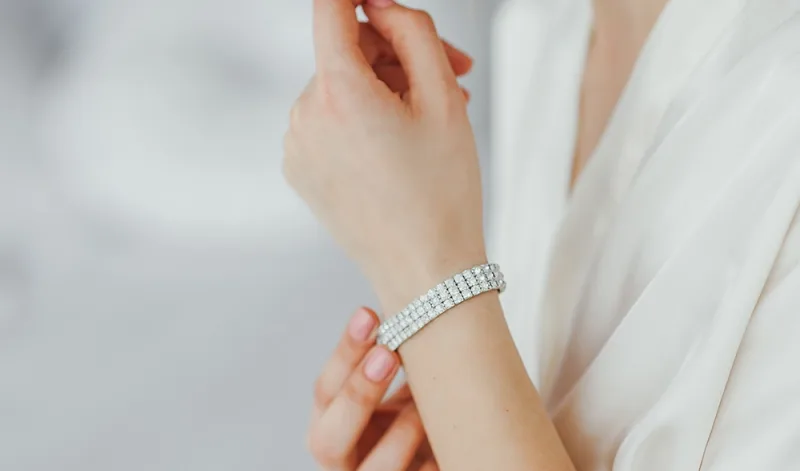
- Eternity rings - with diamonds or gemstones set around the entire band, resizing can interfere with the setting and overall design
- Tungsten and titanium bands - both metals are very hard. Traditional resizing methods generally aren't suitable for them
- Tension-set rings - here, the band itself helps hold the stone in place. Change the size of the band and you may also change the tension securing the stone.
So, before booking the work, ask the jeweller to inspect the whole ring - not just the band - and explain what they would need to do.
How is an engagement ring resized?
Making a ring smaller usually involves removing a small section of the band and joining the ends again. To make one larger, a jeweller may add extra metal. Some plain bands can also be stretched, although that approach isn't suitable for every ring.
Can resizing an engagement ring cause damage?
Yes, it can - but the ring itself and the method used matter.
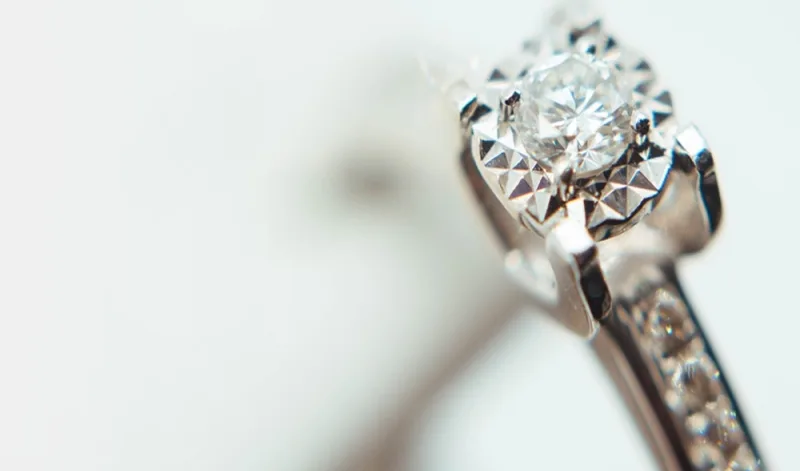
One of the main concerns is the setting. Resizing changes the band and, depending on the design, that can affect the metal supporting the stones. For example, stretching platinum bands that contain stones may weaken the metal around or beneath them. A loose stone - or, in the worst case, a lost one - is the obvious risk.
That isn't a reason to avoid resizing a diamond or gemstone ring altogether. It is a reason to have the setting and stones checked before any work starts.
Does resizing a ring affect its value?
Not automatically. A ring doesn't simply become less valuable because its size has changed. Values can move for other reasons too, including changes in precious-metal prices, gemstone quality and rarity, and wider market conditions.
Resizing is more likely to matter if the work changes the ring's condition or an important part of its original design. If a setting is damaged or distinctive features are altered, that could be relevant when the ring is valued later.
Should I get my engagement ring revalued after resizing?
Possibly. If the resize involved substantial work, an updated ring valuation is worth considering.
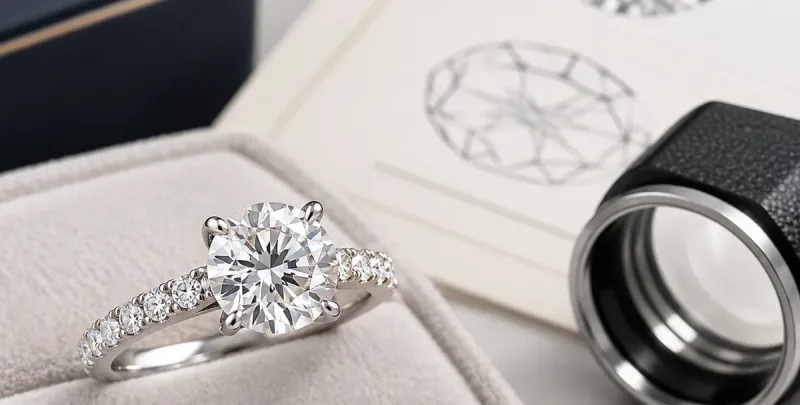
Remember that an insurance valuation isn't necessarily the same as the price you originally paid or what you might receive if you sold the ring. An engagement ring insurance valuation generally considers the cost of replacing the item. Our blog covers this in more depth: Why is my engagement ring valuation higher than the price I paid?
At Assetsure, we recommend having jewellery professionally revalued every two to three years, or sooner following repairs, resetting or remodelling, and checking that your valuation and engagement ring insurance details remain up to date after any substantial work.
Further reading: