Many jewellery owners only think about storage after something goes wrong. A chain becomes knotted, a gemstone works loose, or a favourite ring picks up scratches.
The reality is that damage often happens when jewellery is sitting in a drawer rather than when it is being worn.
What is the best way to store jewellery at home?
The safest approach is usually to store each piece separately.
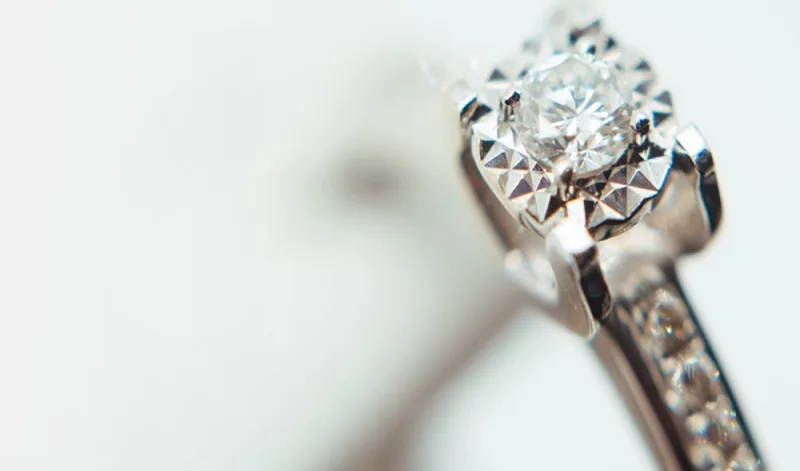
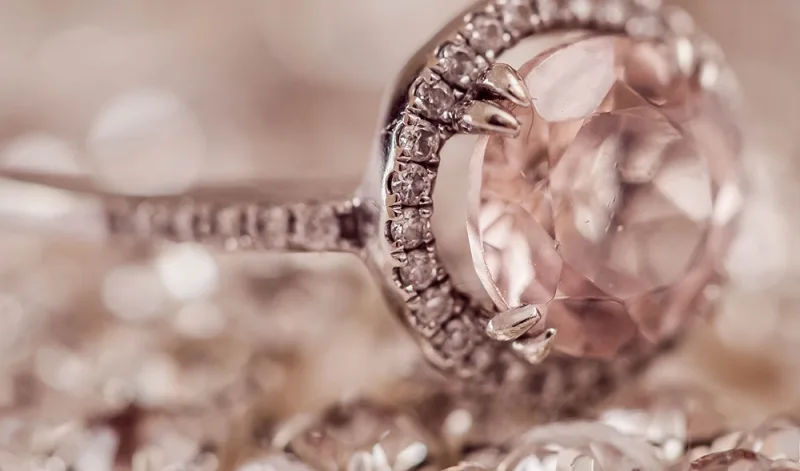
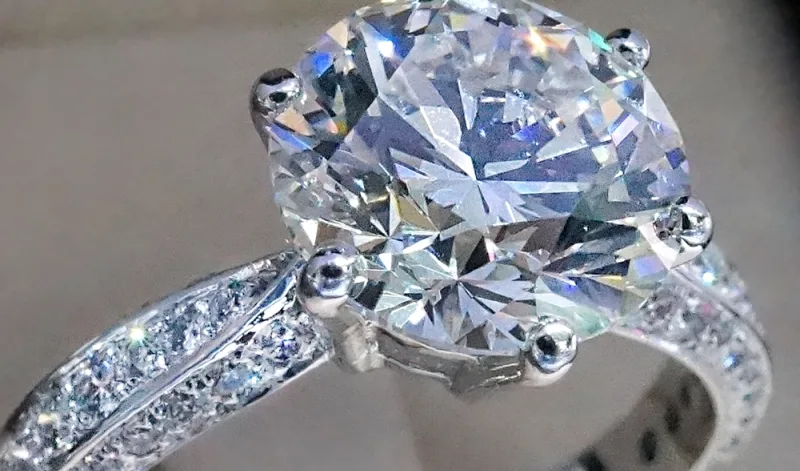
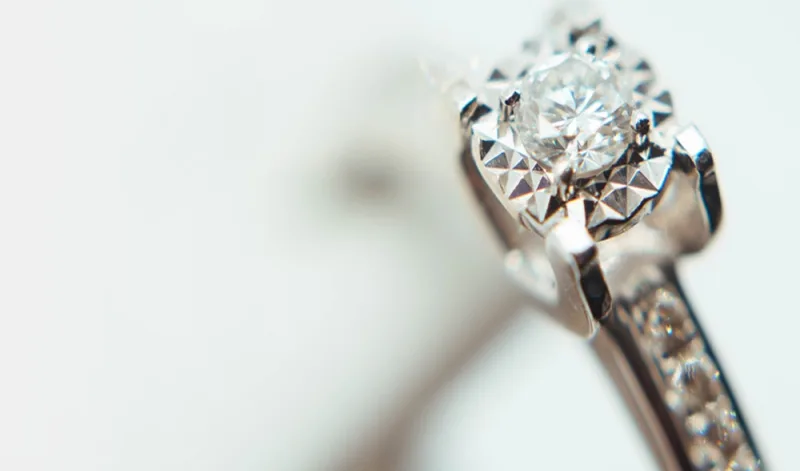
A diamond ring rattling around next to a sapphire pendant may not seem a problem, but diamonds can scratch many other Gemstones. Chains can become tangled, clasps can catch and delicate settings can be knocked out of alignment.
A jewellery box with soft, individual compartments is often a sensible option. If you do not have one, soft fabric pouches or the original presentation boxes can work just as well.
For high value jewellery pieces, a quality home safe that is securely fixed in place can provide an additional layer of protection against theft and accidental loss.
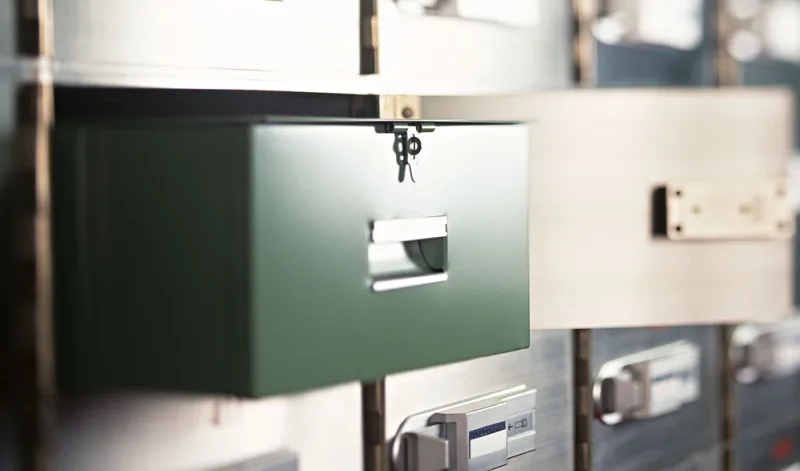
Some owners may also choose to keep particularly valuable, sentimental or infrequently worn items in a bank safe deposit facility.
Wherever jewellery is stored, generally it should be protected from moisture, direct sunlight, excessive heat and the risk of being knocked or crushed.
A secure, dry location away from everyday household activity is generally preferable to leaving valuable pieces on bedside and dressing tables or bathroom shelves where they could be damaged, misplaced or stolen.
Should all gemstones be stored the same?
Different metals and gemstones can have different storage requirements, so it’s always worth following any care guidance provided by the jeweller or manufacturer.
For example:
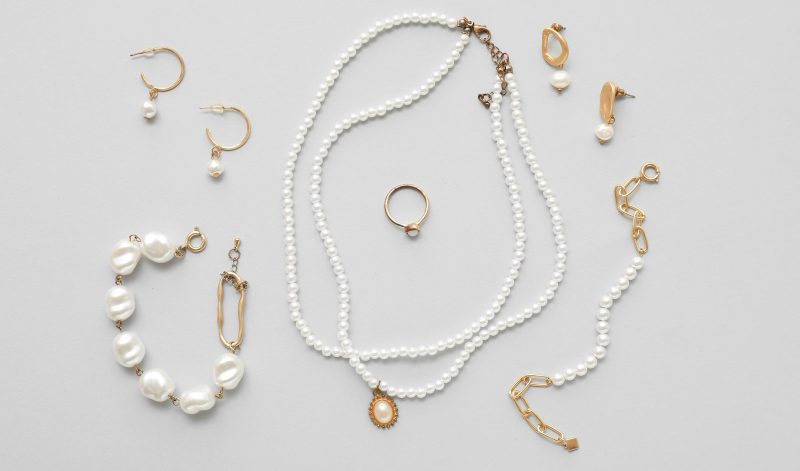
- Pearls need slightly different treatment to many other gemstones. Because they are organic, they are generally better stored in a soft cloth pouch than sealed inside a plastic bag
- Opals can also be sensitive to their surroundings. Extended periods in very hot or exceptionally dry conditions may increase the risk of cracking, so some specialists suggest taking extra precautions if an opal is being stored for a long time in a low-humidity environment.
If you are unsure how a particular piece should be stored, seek advice from a jeweller before placing it into long-term storage.
How often should jewellery be checked?
Even jewellery that spends most of its life in storage should be inspected every few months. Look out for:
- Loose stones
- Worn claws
- Damaged clasps
- Tarnishing
- Bent settings.
Catching a problem early can often mean a quick and relatively inexpensive repair. Leave it too long, however, and you could end up dealing with a missing gemstone, a broken setting or more significant damage.
Does jewellery insurance have storage requirements?
Sometimes. If you own higher-value jewellery, your insurer may have certain security requirements about how items should be stored when they are not being worn. These requirements vary between jewellery insurance policies and may depend on the provider and the value of your pieces, so it is worth checking what applies to your cover.
Taking a few minutes to check these conditions is worthwhile. If they are not followed, it could cause problems if you need to make a claim in the future.
You may also be interested in our blogs: What chemicals and activities can damage your jewellery and Guide to jewellery cleaning and care.
Disclaimer: This article is provided for general information only. Jewellery care requirements can vary according to the materials and gemstones involved. Always follow the guidance provided by your jeweller or manufacturer.