Why rhodium is used in jewellery and what rhodium plating does
Many modern white gold rings owe their bright finish not to the gold itself, but to a thin coating of another metal altogether. That metal is rhodium - one of the rarest members of the platinum group metals - and it plays a quiet but important role in how jewellery looks when new and how it ages over time.
Although rhodium is valuable in its own right, it is rarely used to make entire pieces of jewellery. Instead, it is typically applied as a thin surface layer to enhance brightness, improve colour and add a little extra protection against everyday wear.
Knowing how rhodium plating works can make it easier to understand when a piece may need refreshing over time and, can also be useful when arranging valuations for jewellery insurance.
What type of metal is rhodium?
Rhodium is a precious metal known for its durability and chemical stability. It has a naturally bright, silvery white appearance and reflects light very efficiently - which is why it is especially useful around diamond settings.
Unlike gold or silver, however, rhodium is rarely shaped into standalone jewellery. It is difficult to work with and is produced only in limited quantities worldwide, most often as a secondary output from platinum mining
And while rhodium jewellery does exist, its main role is as a finishing layer rather than a structural component.
What jewellers mean by rhodium plating
When a piece is described as rhodium plated, this means a very fine layer of rhodium has been bonded to the surface using an electroplating process. The coating is extremely thin but noticeably changes how the metal beneath appears.
This treatment is commonly used to:
- Give white gold a cleaner tone
- Increase brightness across polished surfaces
- Slow the development of tarnish on silver
- Highlight gemstone settings more clearly
- Create a consistent finish across complex mountings.
Because the layer sits only on the surface, it can gradually wear with use and may occasionally need to be renewed.
Rhodium is also hypoallergenic, so it can be a helpful surface finish for people who are sensitive to some of the alloys used in white gold. In some cases, this may make jewellery more comfortable to wear day to day.
Why white gold benefits from rhodium finishing
White gold begins as yellow gold mixed with lighter-coloured metals such as palladium or silver. Even after alloying, the result is typically softer in appearance than the crisp white finish many people expect.
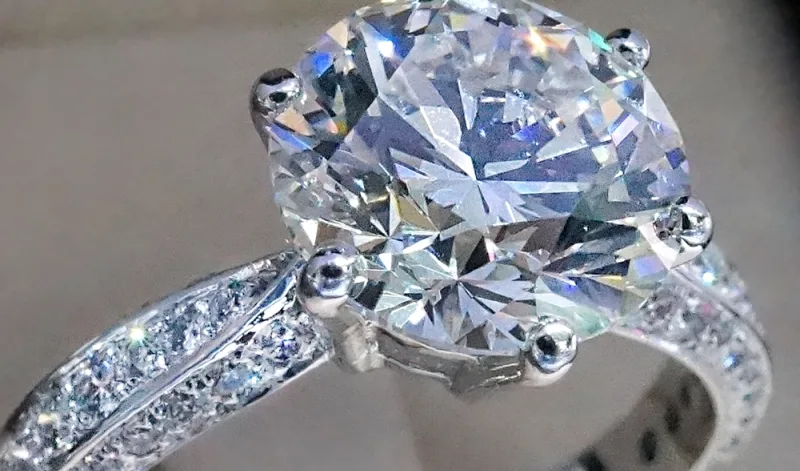
Applying rhodium produces the cooler tone seen on many contemporary engagement rings and wedding bands. It also helps different components within a setting appear visually matched.
Where else rhodium plating is used
Sterling silver is another metal that is often finished with rhodium. In this case, the coating helps slow natural tarnishing and keeps the surface looking brighter between cleanings.
Platinum jewellery is sometimes plated as well, usually where a brighter colour match is preferred across a collection. Designers may also use rhodium selectively to introduce contrast between polished and darker decorative elements.
How long a plated finish typically remains visible
Jewellery that comes into regular contact with hard surfaces - especially rings and bracelets - will usually show signs of wear to rhodium plating sooner than items such as earrings or pendants. For this reason, you may need to have the finish renewed from time to time as part of normal jewellery care.
Practical steps, including removing jewellery before cleaning, gardening or other hands-on activities, may help the plated surface remain in good condition for longer.
Why rhodium plating can matter for jewellery insurance
Although rhodium plating is only a surface treatment, it still forms part of a piece’s overall appearance and finish. Where jewellery has been manufactured or restored with specialist coatings, this can be relevant when describing the item accurately for valuation purposes.
Clear documentation of finishes and materials can help ensure your jewellery insurance reflects the correct specification, particularly where replacement on a like-for-like basis is intended following loss or damage.