Bigger diamonds, royal treasures and a £500,000 attic discovery
From two-carat engagement rings becoming increasingly popular to a remarkable collection discovered in an attic, there have been some interesting stories in the jewellery world recently. We've picked out four that caught our eye.
Are two-carat engagement rings becoming the new normal?
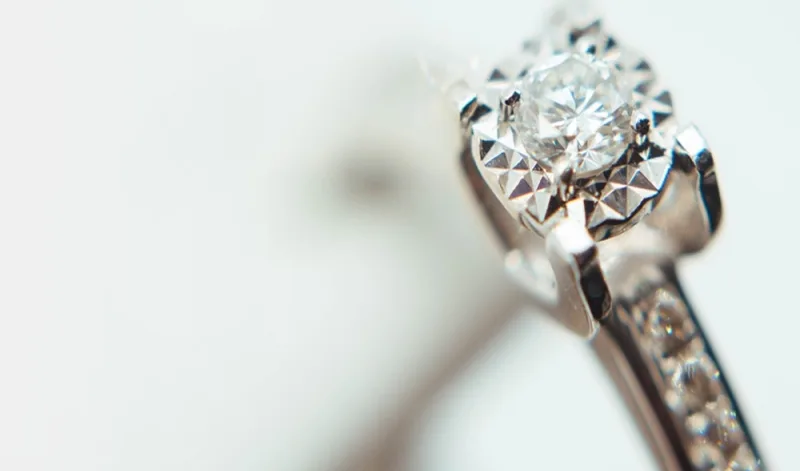
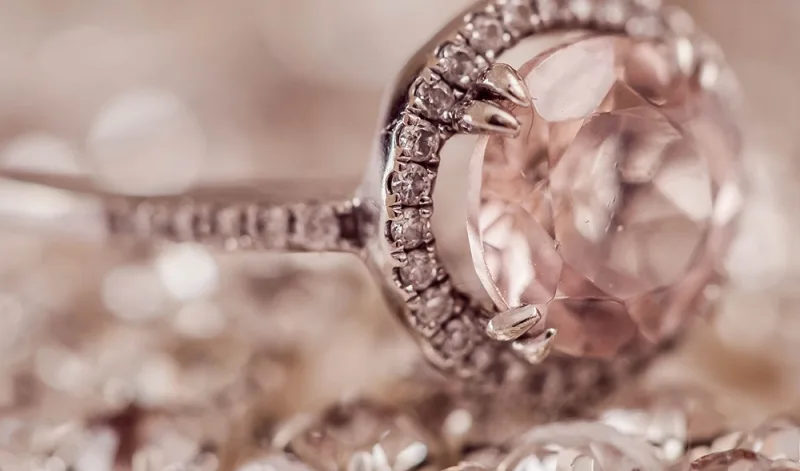
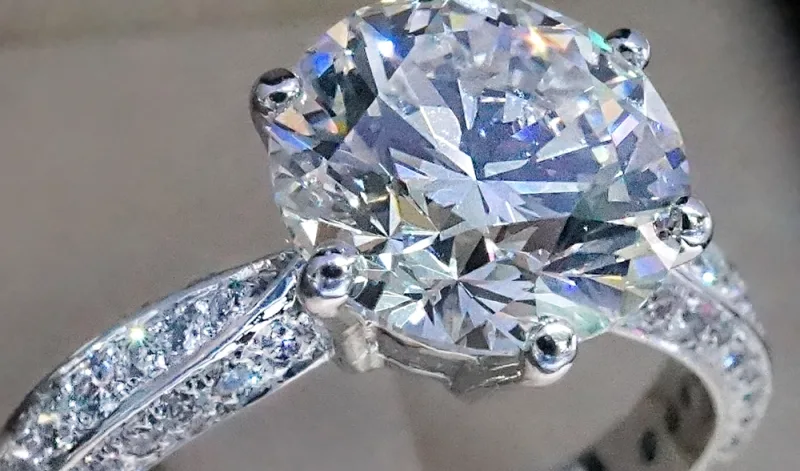
It seems that when it comes to engagement rings, bigger diamonds are becoming more popular.
According to Professional Jewellery magazine, one jeweller reported that the average size of lab-grown diamonds purchased by its customers increased by 22%, from 1.57 carats in 2025 to 1.92 carats in 2026.
And almost half (46%) of the lab-grown engagement rings it sold in 2026 featured diamonds weighing two carats or more.
One reason may be affordability. Lab-grown diamonds generally cost less than comparable mined diamonds, allowing couples to choose a larger stone without necessarily increasing their budget.
Of course, bigger isn't always better. The cut, setting and overall design are just as important when choosing a ring you'll hopefully be wearing for many years.
Five hundred years of royal jewellery to go on display
If you enjoy looking at beautiful jewellery, there may be a good reason to visit Buckingham Palace next summer.
A new exhibition, Royal Jewellery: From Coronations to Keepsakes, will bring together more than 300 pieces of jewellery spanning five centuries of royal history.
Opening at The King's Gallery on 25 June 2027, the exhibition will feature everything from elaborate ceremonial pieces to jewellery with a much more personal story behind it.
Among the highlights will be George IV's Diamond Diadem, Queen Victoria's Small Diamond Crown and a Fabergé aquamarine and diamond pendant given to the future Queen Elizabeth II by Queen Mary.
Around two-thirds of the pieces will be going on public display for the first time.
What makes the exhibition particularly interesting is the opportunity to see jewellery that wasn't simply worn for its monetary value. Many of the pieces were gifts, keepsakes or reminders of important people and occasions.
It's something most jewellery owners can relate to, even if our own collections are rather more modest!
Jewellery discovered in Malvern attic sells for more than £500,000
Here's a story that might make you think twice before clearing out an old jewellery box.
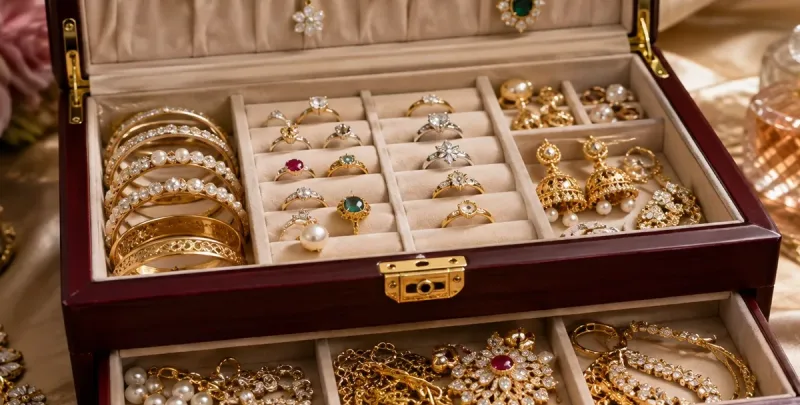
A collection of antique and vintage jewellery discovered in an attic in Malvern, Worcestershire, has sold at auction for more than £500,000.
The Malvern Gazette reported that jewellery had been accumulated over several generations and included Cartier pieces, diamonds, Victorian brooches and Art Deco designs.
Originally estimated to be worth around £150,000, the collection exceeded expectations when it went under the hammer at Elmwood's auction house in London in October 2026.
Among the pieces was an antique Cartier diamond bow brooch dating from around 1905, which sold for £9,375 against an estimate of £1,000 to £1,500.
It's a remarkable discovery, although perhaps the most interesting aspect is that the jewellery had been stored away for years.
Most of us probably aren't sitting on a collection worth half a million pounds. However, inherited jewellery and pieces bought many years ago can sometimes be worth more than their owners realise.
Could your old jewellery be worth a fortune?
Staying with the subject of forgotten jewellery, a Daily Mail feature asks how to recognise whether old pieces might be valuable.
It's an interesting question, particularly if you've inherited jewellery or have items tucked away that you haven't worn for years.
A piece doesn't necessarily have to be covered in diamonds to be worth something. Its precious metal content, gemstones, maker, age, condition and rarity can all influence its value.
Hallmarks and makers' marks can offer useful clues, although identifying a piece and establishing its value aren't always straightforward.
It's also important to remember that the amount jewellery might fetch at auction isn't necessarily what it would cost to replace it. The two figures can be very different.
If you're unsure about a particular item, having it examined by a professional jeweller or valuer is a sensible starting point.
You can also read our article on engagement ring valuations, including why a valuation for jewellery insurance may differ from a resale valuation.