And how to help prevent it
A missing diamond from your engagement ring can come as a nasty surprise. One day your ring looks exactly as it should; the next, you notice an empty space where a stone used to be.
It is easy to assume that because diamonds are famously hard, a diamond ring should be able to withstand almost anything. However, the diamond is only part of the picture. The precious metal surrounding it, and particularly the setting holding it in place, can be affected by knocks, pressure and general wear.
Why do diamonds come loose?
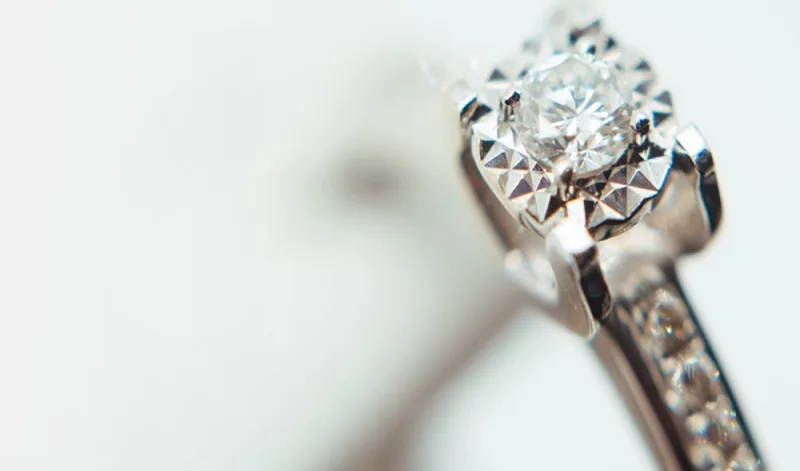
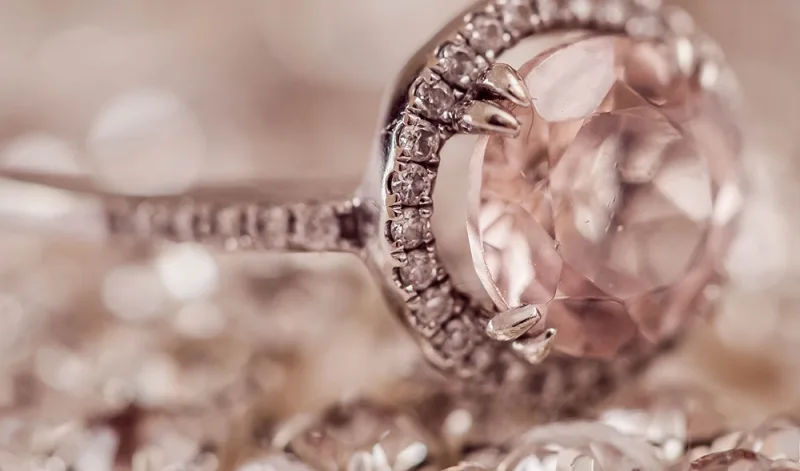
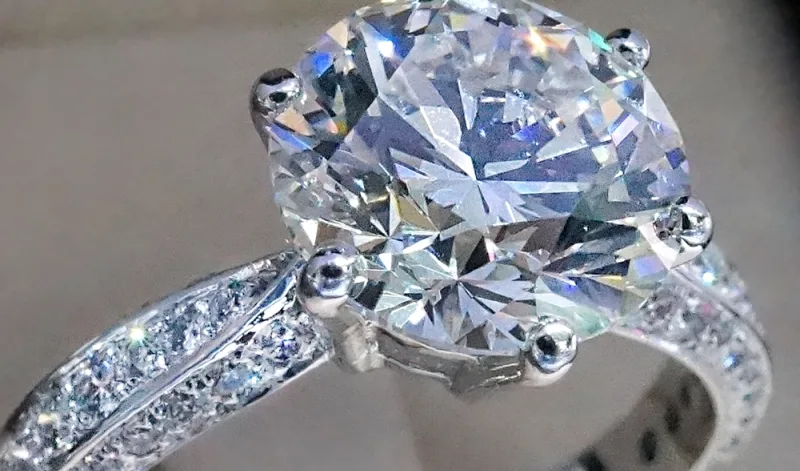
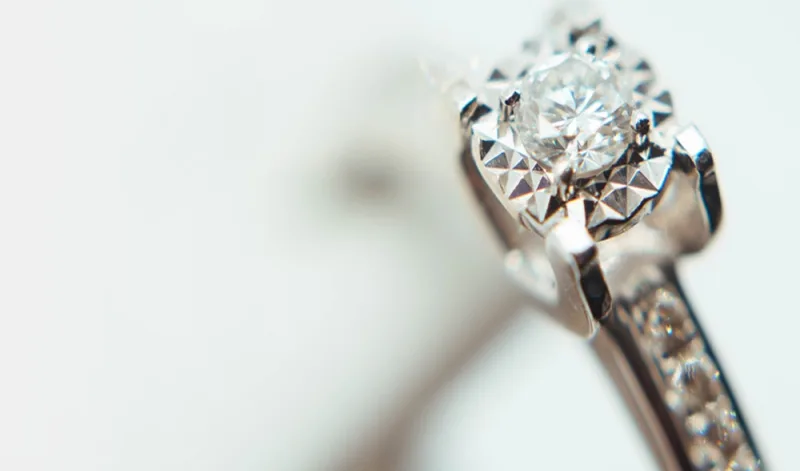
How a diamond is secured depends on the design of the ring. Some are held by small claws or prongs, while other rings use bezel, channel or pavé settings.
Whatever the style, the setting has a job to do. If the metal becomes worn, bent or damaged, a stone can start to move and may eventually fall out. It is important to look out for worn, damaged or missing claws and loose stones.
There are several ways this type of damage can happen. An obvious one is a knock against a hard surface, but damage does not always follow a memorable accident. We wear rings while going about everyday life, so they can be subjected to repeated pressure without us giving it much thought.
The shape of the ring can make a difference too. If the band becomes distorted, this may affect the setting and allow stones to loosen. Some everyday activities, including lifting heavy shopping and using gym equipment, may put the ring and its settings under pressure.
Rings containing lots of small stones, including pavé and eternity designs, have more individual settings that may need to be monitored for wear.
What are the signs of a loose diamond?
Sometimes there is a warning before a diamond disappears.
- Look at your ring carefully.
- Does a claw seem shorter or bent compared with the others?
- Does a stone look slightly out of position? Perhaps the ring has changed shape, or something simply doesn't look quite right.
- A claw catching on clothing can also be worth investigating.
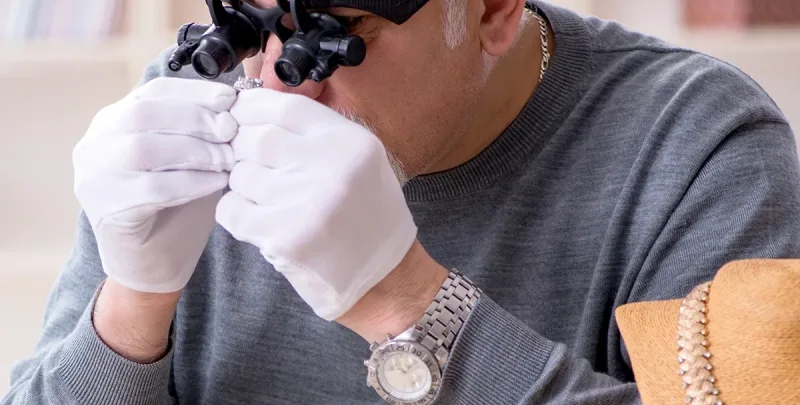
If you think a diamond is loose, take the ring off rather than continuing to wear it. A jeweller can examine the setting and advise whether it needs repairing or tightening.
How can you reduce the chance of losing a diamond?
You don't have to stop wearing a favourite ring, but it makes sense to remove it when your hands – and therefore the ring – are likely to take a battering.
That might mean taking it off before gardening, cleaning, washing up, exercising or doing DIY. Chemicals can be problematic too. We cover this in more detail in our blog: Things that could be damaging your jewellery. Do remember though to follow any policy conditions which may apply when you are not wearing an item. For example, some policies may say an item must be kept in a safe when not being worn or carried.
How you handle and store your ring matters as well. When it isn't being worn, storing it separately in a padded or soft-lined jewellery box can help protect it. See our blog: How should you store jewellery to prevent damage.
Does jewellery insurance cover a diamond falling out?
It can, but you shouldn't assume that every jewellery insurance policy provides the same cover.
Jewellery insurance can cover the loss of a stone from its setting, but policy conditions vary between insurers. Assetsure jewellery insurance includes cover for the loss of stones. For rings and other pieces valued over £10,000, however, the settings must be professionally checked every two years from the date you take out the policy for this cover to apply. Always check your own policy wording for the full terms, conditions and exclusions.
It’s also worth keeping your valuation and supporting paperwork up to date. At Assetsure, we recommend reviewing your jewellery valuation every two years to check the insured value remains appropriate.
Further reading: Caring for your jewellery in the summer.