Many hospitals ask patients to remove jewellery before surgery, including rings, earrings, necklaces and piercings. Requirements vary by hospital and procedure, but planning ahead can protect both your safety and your valuables. Here is what to expect if you’re having an operation or staying in hospital.
Can you wear jewellery during surgery?
Generally, jewellery must be removed before an operation - although exceptions may depend on the procedure and hospital policy.
Jewellery may catch during treatment, interfere with certain equipment or become difficult to remove if swelling develops.
Some procedures use electrosurgical equipment, making metal jewellery an additional consideration. Follow the instructions from your surgical team.
Can you keep your wedding ring on during surgery?
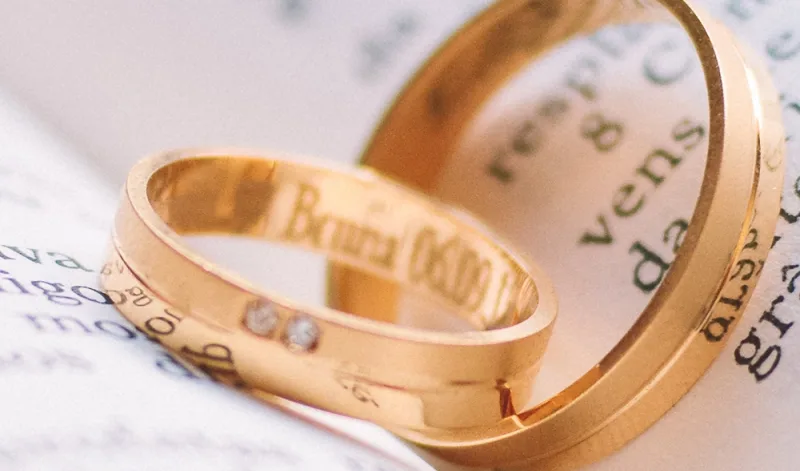
Wedding rings are sometimes treated differently from other jewellery, particularly when they cannot easily be removed.
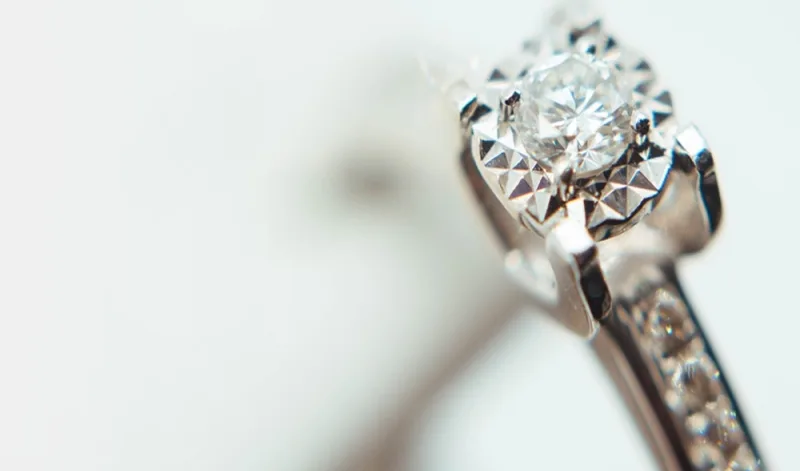
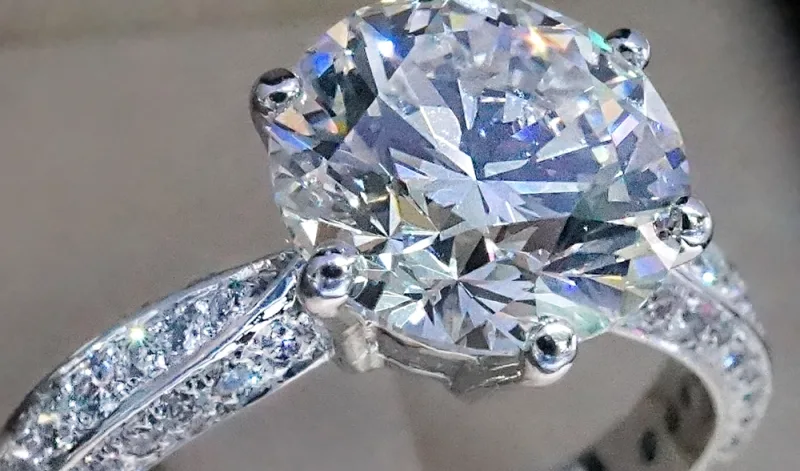
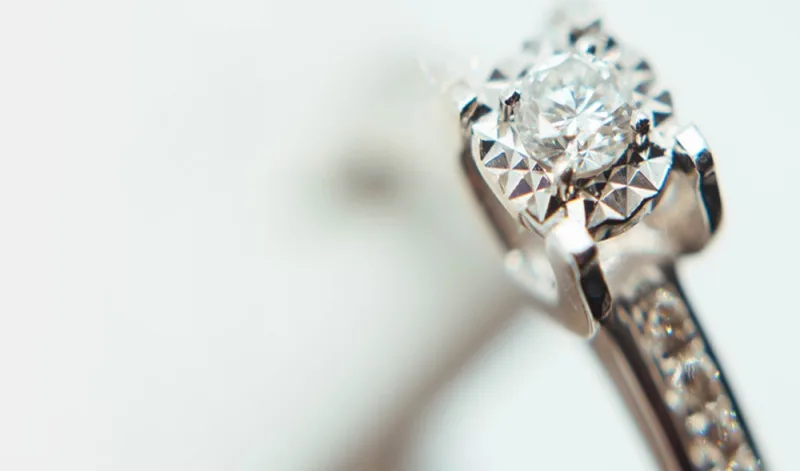
Some hospitals may permit a plain wedding band to remain in place if it is securely covered with tape, but engagement rings with raised settings may be less suitable.
However, this is not a universal NHS policy, and taping a ring does not necessarily eliminate every risk.
What about earrings and body piercings?
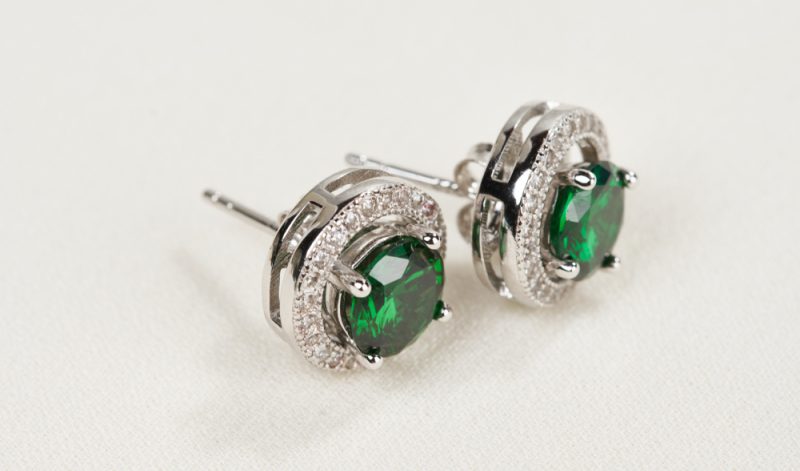
You will generally be advised to remove earrings and body piercings before surgery.
Piercings may interfere with positioning, airway management or equipment, depending on their location and the planned procedure. Even small studs can cause difficulties, particularly during operations involving the head, neck or mouth.
If a piercing cannot be removed, inform your surgical team beforehand. They can explain whether it needs professional removal or whether another arrangement is possible.
Can you wear jewellery during a hospital stay?
For a hospital admission that doesn't involve surgery, jewellery restrictions may be less strict.
Nevertheless, the NHS advises patients to avoid bringing unnecessary valuables into hospital.
Jewellery can become misplaced when changing clothes, undergoing examinations or moving between wards. Rings may also need removing if swelling develops or treatment requires it.
If you are admitted unexpectedly while wearing valuable jewellery, ask a member of staff about the hospital's arrangements for safeguarding personal possessions.
What if jewellery cannot be removed?
If a ring is stuck or a piercing is difficult to remove, tell the hospital before your operation.
Don't assume that covering jewellery yourself will make it acceptable.
How can you protect valuable jewellery during a hospital stay?
The simplest precaution is to leave unnecessary jewellery at home.
Before admission:
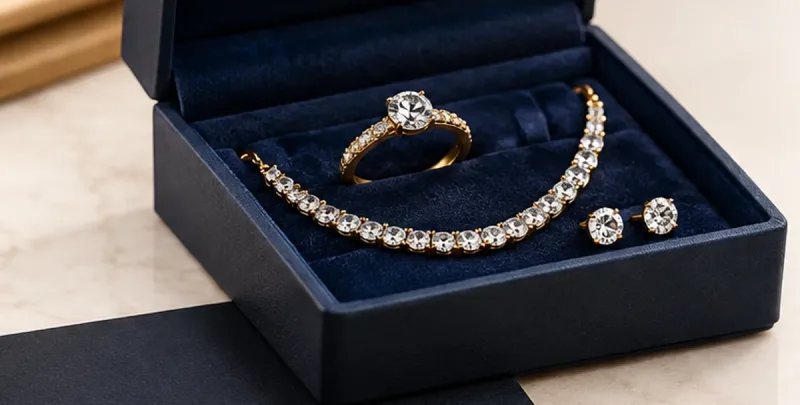
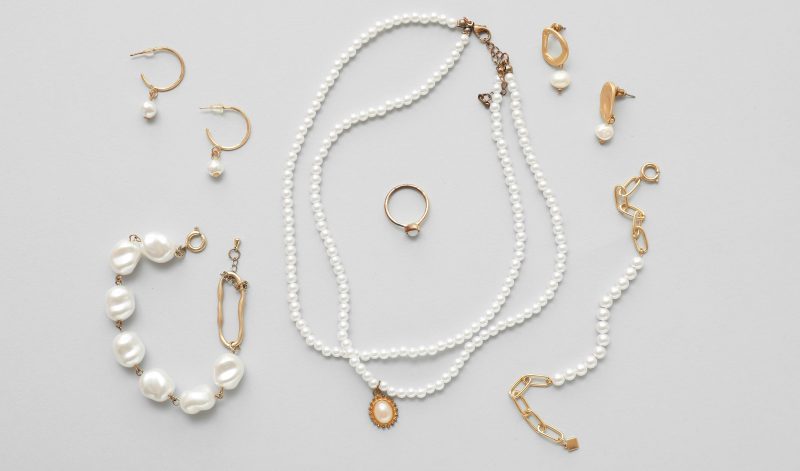
- Remove valuable rings, watches, necklaces and earrings
- Store them securely at home, preferably somewhere covered by your jewellery insurance
- Ask a trusted person to take home any jewellery you arrive wearing
- If admitted unexpectedly, ask staff about the hospital's valuables procedure
- Check your jewellery insurance policy for any relevant conditions or exclusions.
Hospitals may have limited responsibility for personal possessions.
When can you wear jewellery again after surgery?
This depends on your operation, any swelling, dressings and the location of the jewellery.
Ask your clinical team when it is safe to put rings, earrings or other jewellery back on. Avoid forcing rings over swollen fingers or wearing jewellery that could catch on healing wounds.
A little preparation can prevent unnecessary worry
Jewellery often carries memories that cannot be replaced, even when its financial value is insured.
Removing valuable pieces before hospital admission, checking your hospital's instructions and arranging secure storage can help protect them while you concentrate on your recovery.