Jewellery has long played a role in marking important moments, from engagements and anniversaries to inherited family pieces. Today, many of those moments are shared online almost instinctively. Rings, watches and other valuable items often appear in social media posts as part of everyday life, rather than as deliberate showcases of value.
But as social media use has grown, it has become recognised that online visibility can increase the risk of theft for jewellery owners. On the other hand, those same platforms can be used to help trace and recover lost or stolen items. The relationship between jewellery and social media is therefore more subtle than a simple question of risk.
How jewellery becomes visible online
In most cases, jewellery appears online incidentally. Lifestyle photography, outfit posts, travel images and home content often capture jewellery without any specific intent to highlight it.
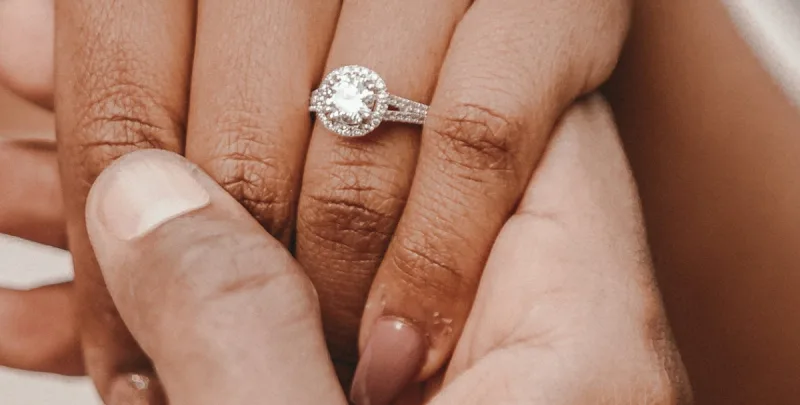
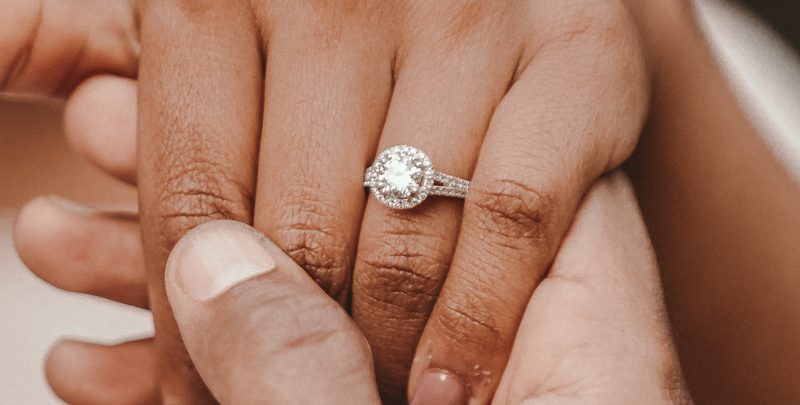
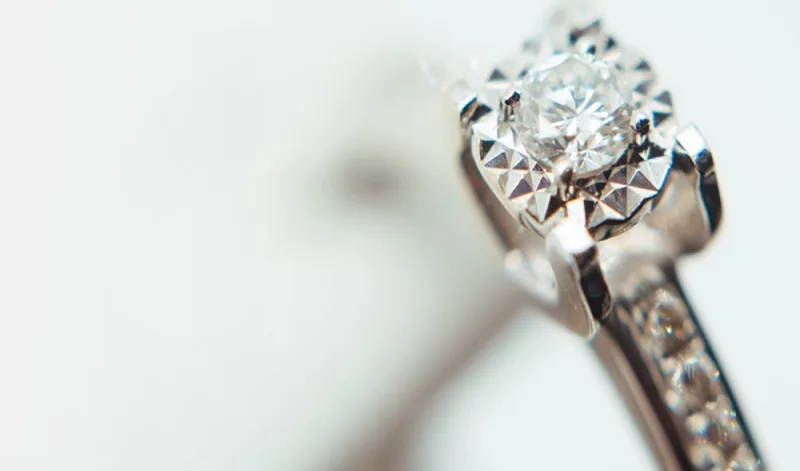
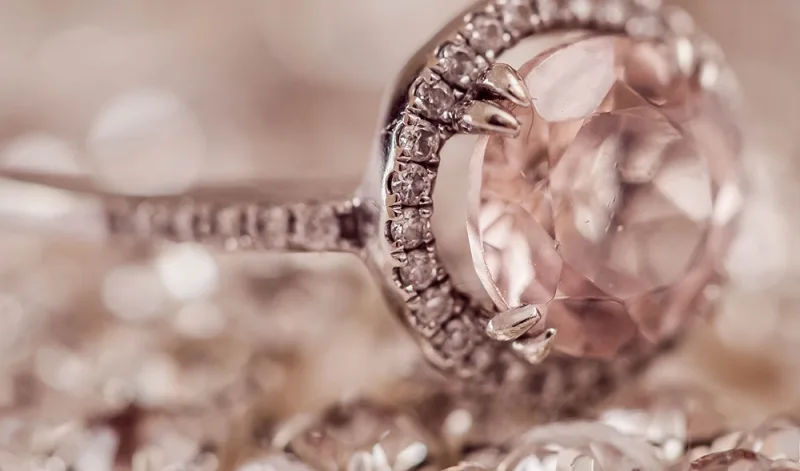
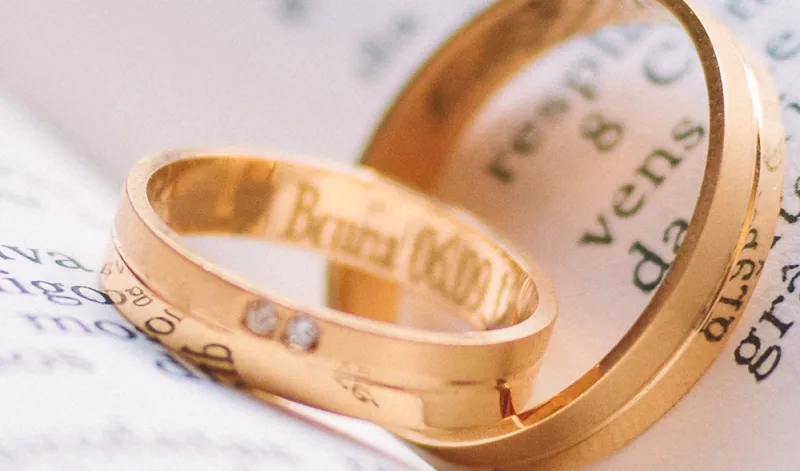
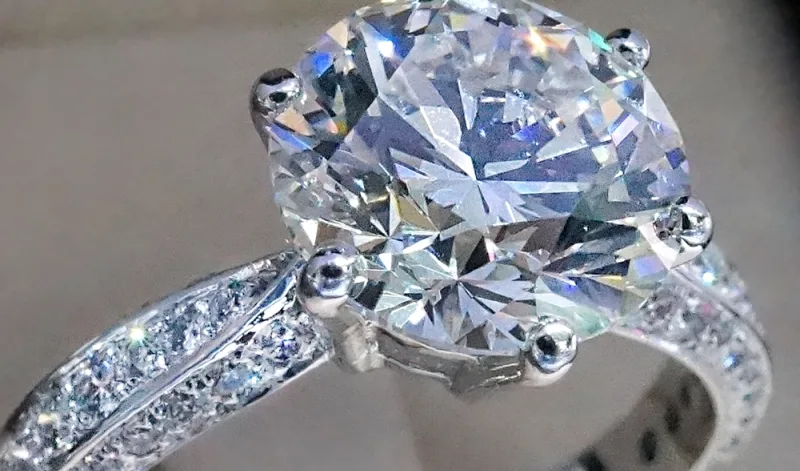
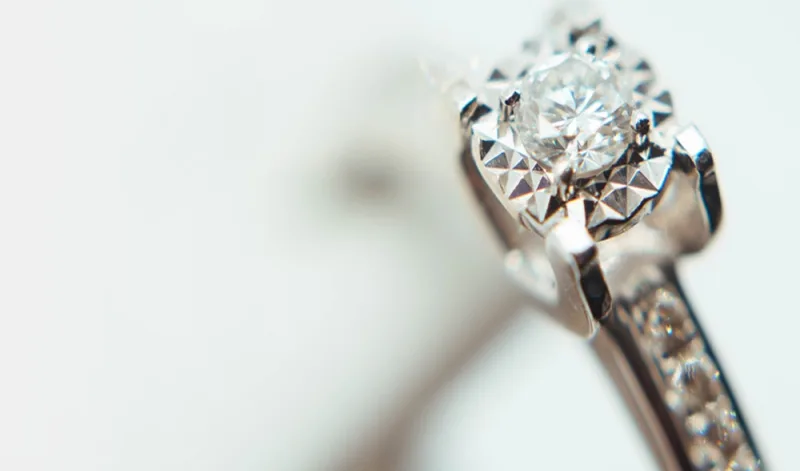
Close-up images of a ring celebrating an engagement or other milestone event, for example, may reveal distinctive settings or engravings. And holiday photographs may show jewellery being worn away from home. Even informal resale posts can contain enough detail to make an item recognisable later on. Once shared, images may circulate beyond their original audience, particularly if they are saved or reposted.
Does social media visibility increase risk?
Jewellery theft is rarely down to one factor alone. While social media activity does not determine outcomes, information shared publicly online may, in some circumstances, be considered alongside other factors.
Some burglars may use a combination of online and offline information when assessing potential targets. The Ministry of Defence similarly highlights that sharing images, location data or routine information can increase exposure when combined with other publicly available details.
Further reading: Cyber security location and Social media: how to use to safely).
In practice, it is patterns rather than individual posts that tend to matter. Repeated images of the same jewellery, posts that reveal predictable routines, or content that confirms periods when a property may be unoccupied can all reduce anonymity over time.
Social media as part of a wider picture
Law enforcement commentary generally treats social media as a supplementary source of information rather than a primary driver of theft. It may assist in identifying jewellery that is worn daily, linking items to a known location, or making distinctive pieces easier to recognise if they later appear for resale.
Sharing online can increase vulnerability to a range of crimes, including theft and fraud. But this does not mean jewellery owners need to avoid social media altogether, more it underlines the value of being selective about what is shared and when.
Reducing exposure without avoiding social media
Social media does not need to be avoided, but it can be used more thoughtfully. Many consumer bodies recommend simple adjustments that reduce exposure while still allowing people to share important moments.
These include keeping posts within trusted audiences, avoiding live updates when travelling, and being selective with close-up images of valuable jewellery. Delaying posts until after returning home, and avoiding captions that reveal value or storage details, can also help reduce unnecessary risk.
Social media, holidays and your home insurance
It is also important to note that if you are away on holiday and sharing holiday photos on social media in real time, it may have wider implications beyond online visibility. Public posts that indicate that your home is unoccupied may, in some circumstances, reduce anonymity and increase exposure to opportunistic risk.
And this may affect your home insurance. Home insurance policies typically require policyholders to take reasonable care to protect their property. Where social media posts clearly confirm an absence, this could affect the validity of cover.
Even where posts are shared privately, content can still be copied, shared or screenshotted beyond its original audience. For this reason, it is generally advisable to avoid real-time updates while away, regardless of the security measures in place at the property.
Further reading: Travel guide for taking your jewellery abroad.
The role of social media in recovery
Despite perceived potential downsides, social media has also become an established tool in recovery efforts when jewellery is lost or stolen. UK police forces often use platforms such as Facebook and X to circulate images of stolen property and appeal for information from the public.
When images are clear and accurate, they can be shared widely and recognised by members of the public, retailers or second-hand dealers. This can be particularly helpful for bespoke, antique or engraved jewellery.
Community awareness and resale vigilance
Social media may also support recovery through wider community awareness. Appealing on local groups and communities for people to be vigilant is becoming common place. Also, pawnbrokers, Jewellers and Second-hand dealers are required to remain alert to stolen goods under UK legislation.
Trade bodies encourage retailers to check items carefully, including against police alerts and public appeals. There have been cases where jewellery has been recognised after social media appeals circulated, leading to items being identified when offered for resale.
Why documentation still matters
Social media appeals are most effective when supported by accurate documentation. Police and insurers consistently stress the importance of maintaining clear records.
This typically may include professional valuations, purchase receipts, certificates, hallmark details and clear photographs taken before loss. Accurate documentation may help establish ownership, support insurance claims and assist with recovery.
Where jewellery insurance fits in
Even when being thoughtful with online habits, of course, risks to your jewellery cannot be removed entirely. Items that are worn regularly or taken outside the home may remain exposed to loss, theft or accidental damage.
Specialist jewellery insurance is designed to respond to these risks. At Assetsure, we provide specialist jewellery insurance for individual pieces, including engagement ring insurance, as well as cover for jewellery collections giving you reassurance that your precious items are protected against the unexpected (subject to policy terms and conditions).
Taking a balanced approach
Social media is neither a risk in itself nor a safeguard. Its influence depends on individual habits and the information shared publicly. By sharing posts and images mindfully and remembering that online content can be potentially visible beyond its intended audience, you can typically continue to enjoy social media as part of everyday life - while keeping risk in perspective.
Further reading: Buying jewellery online and Infamous jewellery thefts.
Disclaimer
This article is provided for general information purposes only and reflects the writer’s understanding of current guidance and industry practice. It does not constitute legal, regulatory or insurance advice. The impact of social media activity on insurance cover will depend on individual circumstances and the specific terms, conditions and exclusions of any policy. Readers should refer to their policy documentation or seek professional advice for guidance tailored to their situation.