Pearl has been associated with June for centuries and remains the month's traditional birthstone. While June is one of the few months linked with more than one gemstone (the others are alexandrite and moonstone), pearl remains the birthstone most closely associated with the month.
It is also traditionally associated with 30th wedding anniversaries too.
Why are Pearls so special?
Most birthstones are mined from rock deep underground. Pearls are different.
They begin life inside a living oyster or mussel, which is one reason they have fascinated people for centuries. Their soft lustre and understated elegance have made them a favourite of jewellery lovers.
Once rarer than diamonds
Before cultured pearl farming became established, natural pearls were extremely difficult to find. Divers searched oyster beds in rivers, lakes and coastal waters, often free-diving on a single breath and with no guarantee their efforts would uncover anything of value.
Many oysters or mussels contained no pearls at all, meaning fine, natural pearls were (and still are) both rare and highly prized.
How cultured pearls changed everything
The pearl market changed dramatically during the late nineteenth and early twentieth centuries.
Japanese entrepreneur Kokichi Mikimoto helped develop pearl cultivation techniques that allowed pearls to be produced on a commercial scale. Rather than waiting for nature to take its course, pearl farmers could encourage the process under carefully controlled conditions.
That innovation transformed pearls from a rare luxury into a gemstone that many more people could enjoy.
Natural or cultured?
A question jewellers are often asked is whether cultured pearls are "real". The answer is “yes”.
A natural pearl forms entirely by chance. A cultured pearl receives a helping hand at the beginning of the process, but the pearl itself still develops naturally inside the mollusc.
Because natural pearls are exceptionally uncommon, most modern pearl jewellery contains cultured pearls.
Looking after pearls
Pearls may look robust, but they are softer than many people realise.
Perfume, hairspray, cosmetics and household cleaning products can all affect the surface over time. Scratches can also occur if pearls are stored alongside harder Gemstones.
Many jewellers recommend making pearls the last thing you put on when getting ready and the first thing you remove at the end of the day.
A quick wipe with a soft cloth after wearing them can help keep them looking their best.
Are pearls worth insuring?
If replacing a pearl necklace, bracelet or pair of earrings would be expensive or difficult, specialist jewellery insurance may be worth considering. Depending on the policy selected, cover may be available for risks such as theft, accidental loss or accidental damage.
As with all insurance policies, terms, conditions, limits and exclusions apply.
A gemstone that never goes out of fashion
Fashion trends come and go, yet pearls continue to appeal to every generation, as we highlighted in our blog: Top 10 jewellery essentials every woman should have.
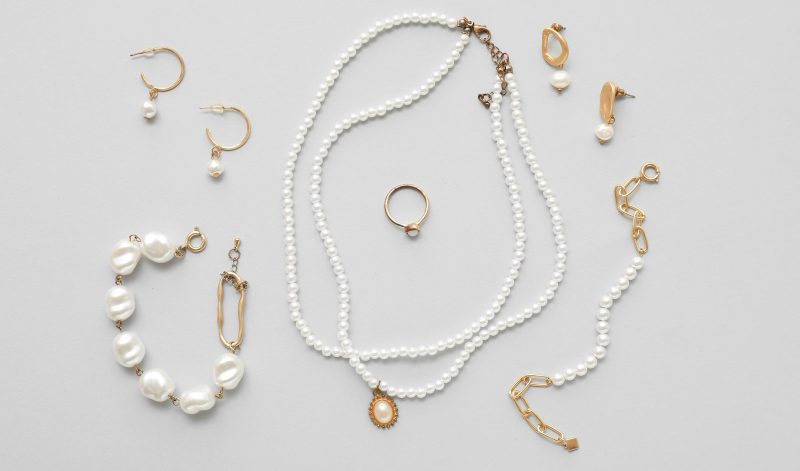
Whether worn as a classic strand, incorporated into contemporary designs or treasured as a family heirloom, they remain one of the most recognisable and enduring birthstones associated with June.
Disclaimer: This article is provided for general information purposes only and reflects our own research and understanding at the time of writing. While every effort has been made to ensure accuracy, historical records and interpretations may differ between sources.