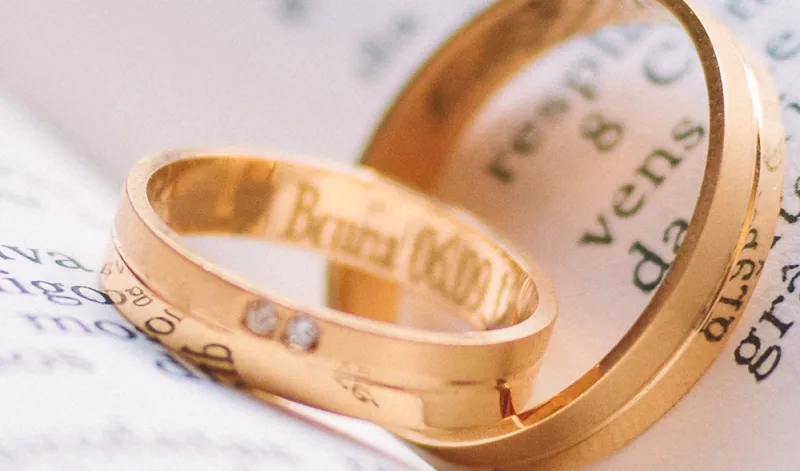
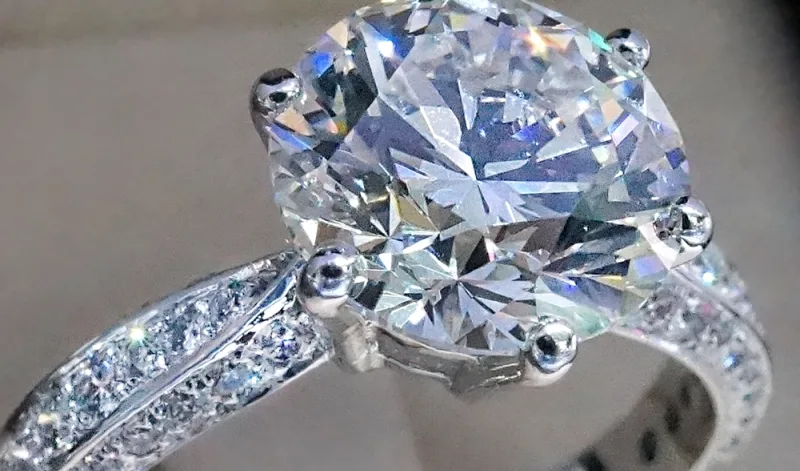
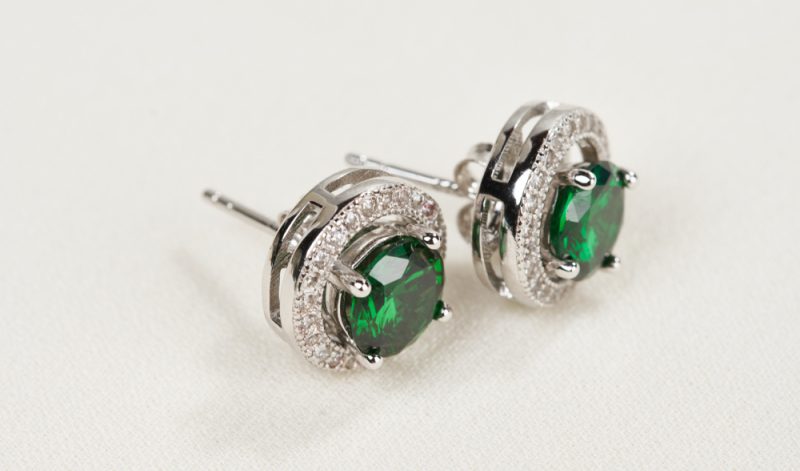
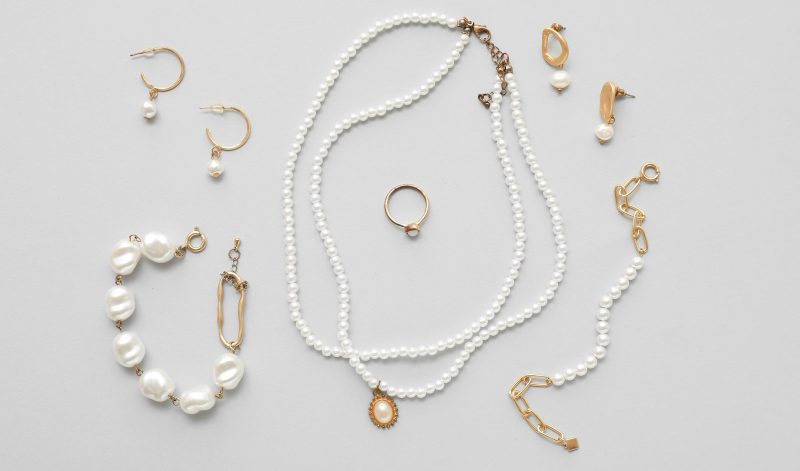
Jewellery is often treasured for its emotional value, but it can also represent a meaningful financial asset. Engagement rings, inherited pieces and designer jewellery may be worth far more than owners realise particularly when precious metal prices change.
And recently, they certainly have.
Gold prices surged through much of 2025 (with gold price gains being at highs last seen in the 1970s) and into early 2026 where they reached record levels. Industry commentators attributed this to investors seeking safe haven assets during periods of geopolitical tension and economic uncertainty.
More recently, prices have eased slightly as markets reacted to changing interest-rate expectations and currency movements. Even so, gold remains historically elevated compared with levels seen just a few years ago.
For jewellery owners, that shift matters more than many people realise.
When the price of gold and other precious metals rises, the cost of replacing jewellery typically rises too. A valuation carried out several years ago may therefore no longer reflect what it would cost to replace the item today.
Jewellery values do not always remain static
It is easy to assume jewellery values remain broadly stable over time. After all, most pieces spend much of their life sitting safely in a jewellery box rather than being traded or sold.
But jewellery is made from materials that move with global markets.
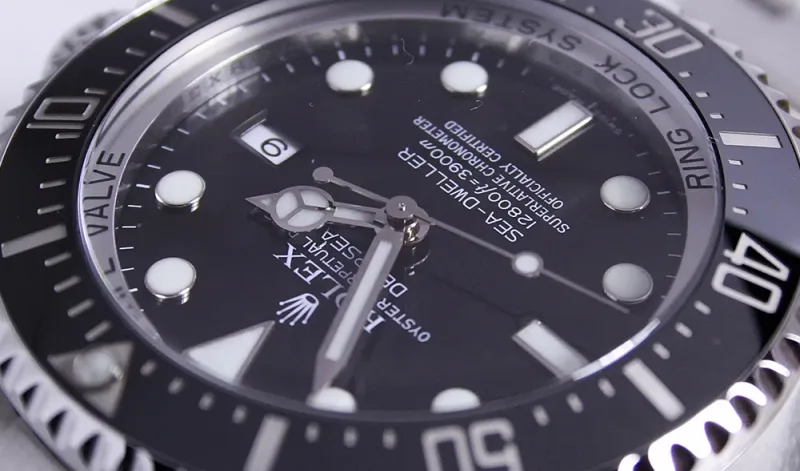
Gold, platinum and silver are commodities whose prices fluctuate constantly. Diamonds, coloured gemstones and watches have their own markets as well, shaped by supply, demand and changing consumer tastes and celebrity influence.
The result is that jewellery values can shift quietly in the background.
A rise in gold prices alone (such as we’ve seen recently) can increase the intrinsic value of a piece containing a significant amount of precious metal. At the same time, certain gemstones may become more desirable as supplies tighten or trends evolve.
Individually, these changes may seem small. Over time, however, they can add up.
The hidden risk of underinsurance
One issue insurers encounter surprisingly often is jewellery that has become unintentionally underinsured. It usually happens gradually. When jewellery is first insured, the policy value is based on the valuation available at the time. Years may pass without that valuation being reviewed, while the market value of the item continues to change. If the jewellery is then lost, stolen or damaged, the cost of replacing it may be higher than the amount listed on the policy.
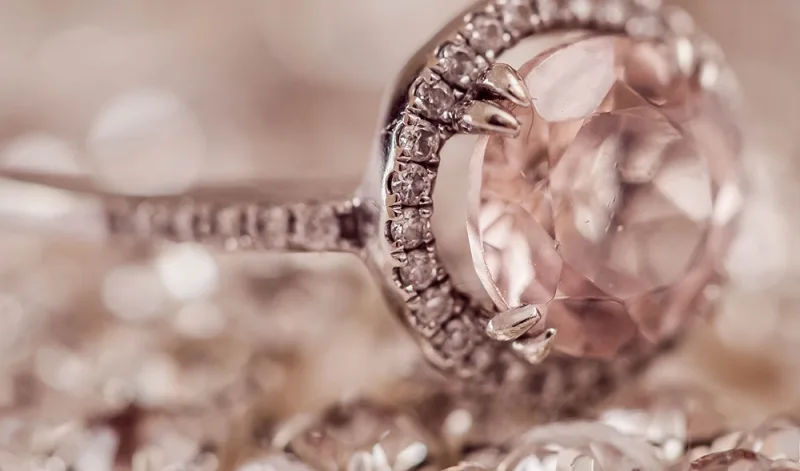
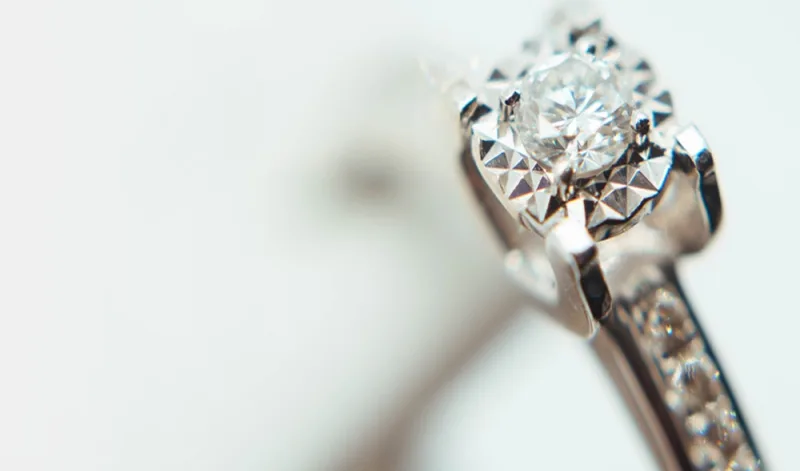
Take a simple example. A ring valued at £4,000 several years ago might now cost £6,000 or more to replace if gold prices have risen and gemstone values have shifted. It is the sort of discovery nobody wants to make at the point of a claim. Engagement rings, heirloom pieces and bespoke jewellery are particularly susceptible to this problem because their value is often closely linked to the materials used.
Why valuations matter
A professional jewellery valuation does more than provide a figure for insurance. It creates a detailed record describing the piece and its characteristics. A qualified valuer will normally examine gemstone quality, metal purity, craftsmanship and design, often documenting the item with photographs and written descriptions.
This information is extremely helpful if a claim needs to be made. If the item is lost or stolen, the valuation provides a clear reference point for what the jewellery was and how it should be replaced. Without that documentation, replacing a bespoke or distinctive piece can be much more complicated. Just as importantly, the valuation ensures the amount reflects the real cost of replacing the jewellery in the current market.
How often should jewellery be revalued?
There is no single rule that applies to every piece of jewellery, but periodic reviews are widely recommended. At Assetsure, we typically suggest reviewing jewellery valuations every two years. This timeframe helps ensure that changes in precious metal prices and gemstone markets are reflected in the insured value.
Recent movements in the gold market illustrate why this matters. When prices move sharply, whether upward or downward, the replacement cost of jewellery can change faster than many people expect.
Arranging a jewellery valuation
Many jewellery owners know they should update their valuations but are unsure where to start. Professional jewellery valuers specialise in assessing items for insurance purposes. They have the expertise and equipment required to examine gemstones properly, confirm metal content and determine an appropriate replacement value.
At Assetsure, we can help by putting you in touch with a trusted professional valuation service experienced in preparing jewellery valuations for insurance. Once the valuation has been updated, it may then be sensible to review your jewellery insurance policy to ensure the value remains accurate.
When specialist jewellery insurance may help
Some people assume that their jewellery is covered under their standard household insurance policies, but it is important to note that the level of protection, including the sum insured, can vary.
Home insurance policies typically may place limits on the value of jewellery covered outside the home. Others may apply relatively low limits to individual pieces unless they are specifically listed on the policy. You may wish to read more about home insurance and your jewellery here.
Specialist jewellery insurance is typically designed to provide protection for valuable items. Depending on the policy, cover may include protection for loss, theft and accidental damage, as well as worldwide cover while jewellery is being worn or transported. At Assetsure, our jewellery insurance policies are designed to protect valuable pieces and collections including engagement rings, watches and other treasured items.
Protecting more than just the financial value
Jewellery is rarely just another possession. A ring marking an engagement, a gift celebrating an anniversary, or a family heirloom passed down through generations often carries a story as well as a price. That sentimental value cannot be replaced. But ensuring jewellery is properly protected can make replacing the item itself far easier if the unexpected happens. An accurate valuation provides the foundation for that protection.
A simple review that can make a real difference
Jewellery insurance is often arranged when a piece is first purchased and then quietly forgotten. Yet the markets that influence its value continue to move. As the recent rise in gold prices has shown, those movements can be significant. Reviewing jewellery valuations periodically may therefore be a sensible step for anyone who owns precious pieces. That way, your insurance protection can be updated to reflect the true replacement value of the jewellery.
Further reading:
How often should you revalue your jewellery?
Is jewellery covered by home insurance policies?