What can you do about it?
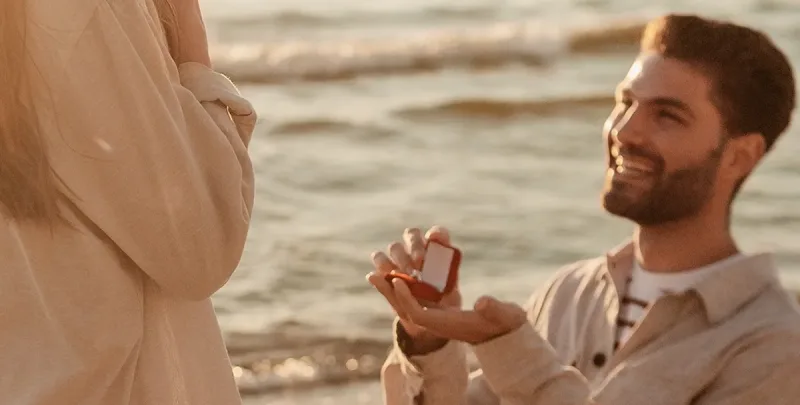
For many couples, choosing an engagement ring is one of the most meaningful purchases they will ever make. It is also, increasingly, among one of the most expensive.
Across the UK, jewellery buyers have noticed that rings which once felt comfortably within reach now cost noticeably more. While diamonds still account for a large proportion of value, the rising price of gold has quietly become one of the biggest drivers behind these increases.
Understanding what sits behind the shift can make it easier to choose a ring confidently, and to make sure it remains properly protected in the years ahead.
Why are Engagement Rings becoming more expensive?
When people think about engagement ring pricing, they usually focus on the diamond. However, the metal setting is now playing a much larger role than it did even a few years ago.
The price of gold and other precious metals has soared recently as investors seek stability during periods of inflation and geopolitical uncertainty. At the time of writing (March 2026) gold prices remain elevated compared with historic norms. You can read more in our blog: How the price of gold can affect your jewellery insurance cover.
Because many engagement rings are made using 18ct gold or platinum alloys influenced by bullion values, these increases feed directly into manufacturing costs. Even relatively simple settings now require more investment in raw materials than buyers might expect.
This means the ring itself not just the stone is becoming more expensive to buy and replace.
What do Engagement Rings in the UK cost?
There has never been a fixed rule about what couples should spend on an engagement ring, despite long standing traditions suggesting otherwise.
Industry studies suggest UK buyers currently spend between £2,500 and £3,000, although bespoke pieces, designer rings or larger stones (as well as where you live in the country) can exceed this range by a considerable margin.
This may change as the price of precious metals remains higher than they have done for several decades.
How are gold prices influencing modern ring design?
One noticeable effect of rising gold costs is that design choices now carry more financial weight.
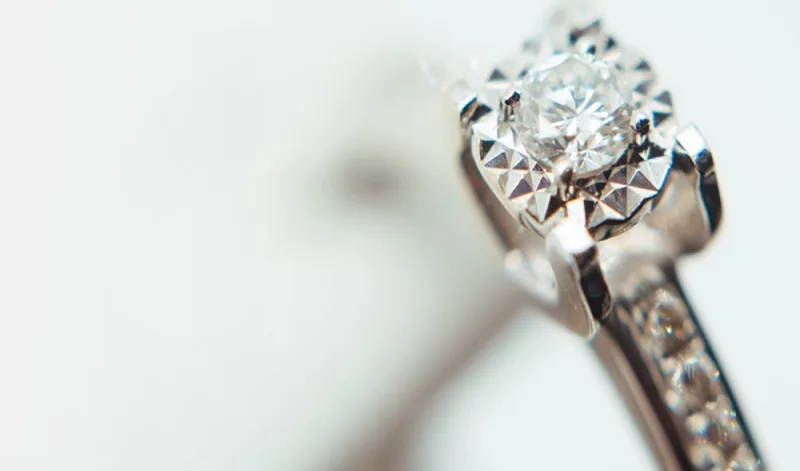
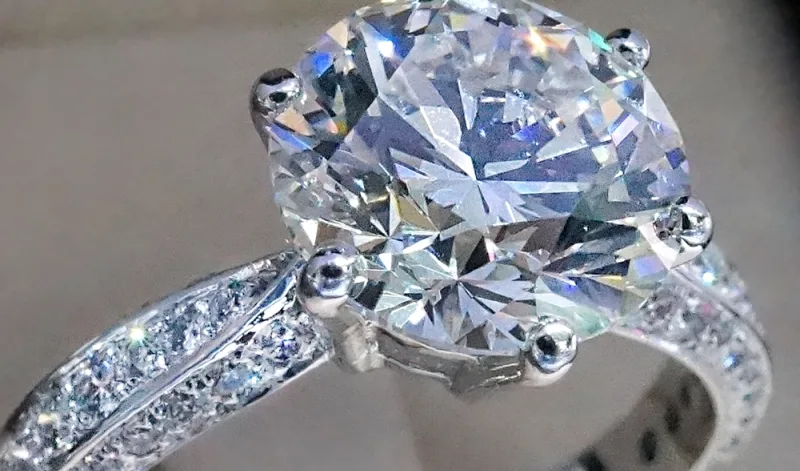
Heavier bands, halo settings and multi-stone shoulders all require additional metal. When gold prices are high, these features can influence the final price more than many buyers expect. By contrast, cleaner solitaire settings often make more efficient use of metal while retaining a classic appearance.
This does not mean simpler rings are always better value, but it does explain why two similar-looking designs can differ significantly in cost.
So, with rising prices, how can you get the most for your money when choosing an engagement ring?
Choosing designs that use less gold
Ring design has a direct impact on how much gold is required and therefore on the overall price.
Thicker bands, wide shoulders and heavy bezel settings can look striking, but, as we mentioned before, they typically require more metal.
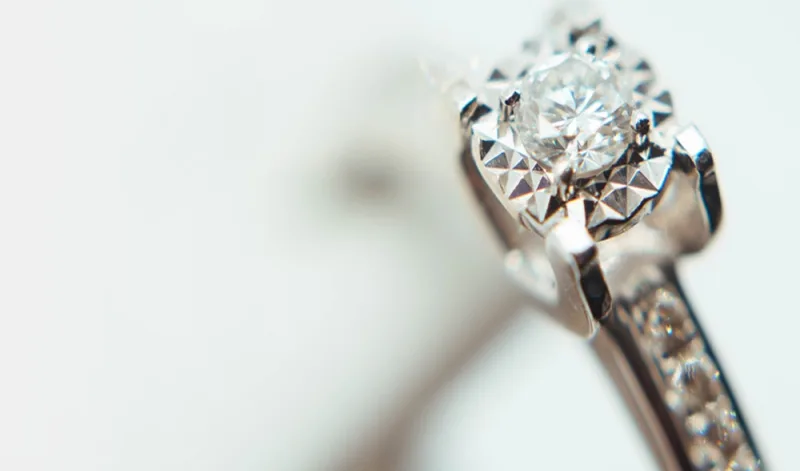
If you would like to keep costs more manageable, it may be worth considering slimmer bands (while still maintaining durability), classic prong settings, or designs with fewer metal accents around the centre stone. These styles can still feel elegant and substantial, but they generally use less gold overall and may therefore be less affected by changes in the prices of precious metals.
A jeweller can help balance proportions, so the ring remains practical for everyday wear while making efficient use of precious metal.
Consider the gold carat
The carat of gold refers to its purity, and choosing a lower gold carat can be a practical way to manage the cost of an engagement ring without compromising durability or appearance.
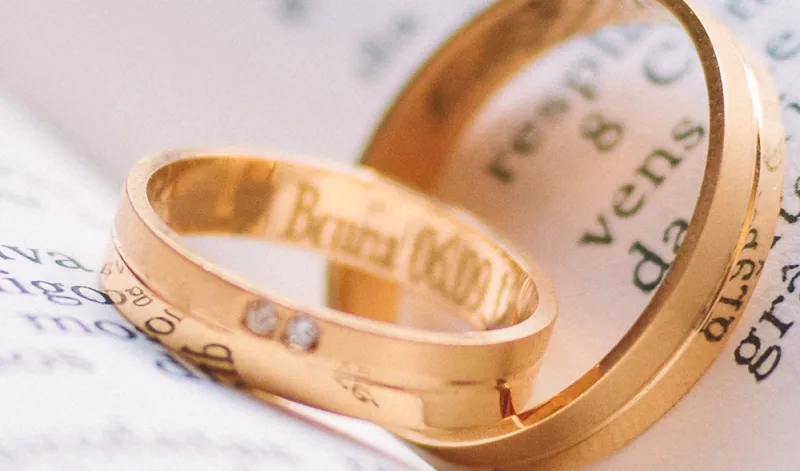
Pure gold is 24 carat, but it is too soft for everyday jewellery. Engagement rings are typically made from 18ct or 9ct gold, which are mixed with other metals to improve strength. Because 18ct gold contains 75% pure gold and 9ct gold contains 37.5%, the higher the carat, the higher the price is likely to be.
Opting for 9ct gold instead of 18ct gold can reduce the amount of precious metal used in the ring and therefore lower the overall cost. For many wearers, the visual difference is subtle, especially in white gold settings.
Choosing a slightly smaller centre stone rarely changes the overall look
Many engagement ring buyers assume that reducing the size of a centre stone will dramatically alter how a ring appears. In practice, however, even a modest adjustment in carat weight can make a noticeable difference to price without changing visual impact.
As we highlighted in our blog: Popular engagement ring stone shapes, cut plays a key role in a gemstone’s visual size. Even where two stones share the same carat weight, differences in proportion and symmetry can make one appear significantly larger than the other.
And certain gemstone cuts, such as the marquise cut, often make the diamond seem larger than its actual weight.
For couples working within a defined budget, this can be a practical way to get the look they want, without compromise.
Lab-grown diamonds are now firmly part of the mainstream market
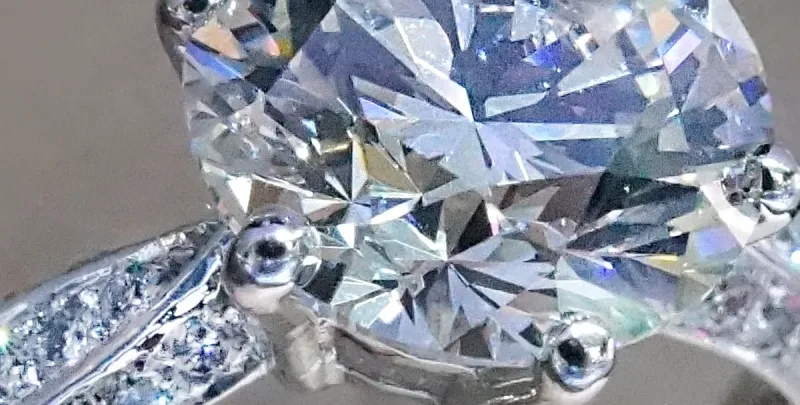
Lab-grown diamonds are chemically identical to mined stones and graded using the same clarity, colour and cut standards.
One of the main differences is cost. Industry research suggests that lab-grown diamonds may be between 60-75% less expensive than comparable natural diamonds.
For some buyers, this creates the opportunity to select a larger stone. For others, it simply allows more freedom when choosing a setting or metal.
Either way, they are increasingly part of the conversation when engagement rings are being designed today.
Coloured gemstones are returning to favour
Although diamonds remain the traditional choice, coloured gemstones are appearing more frequently in contemporary engagement rings.
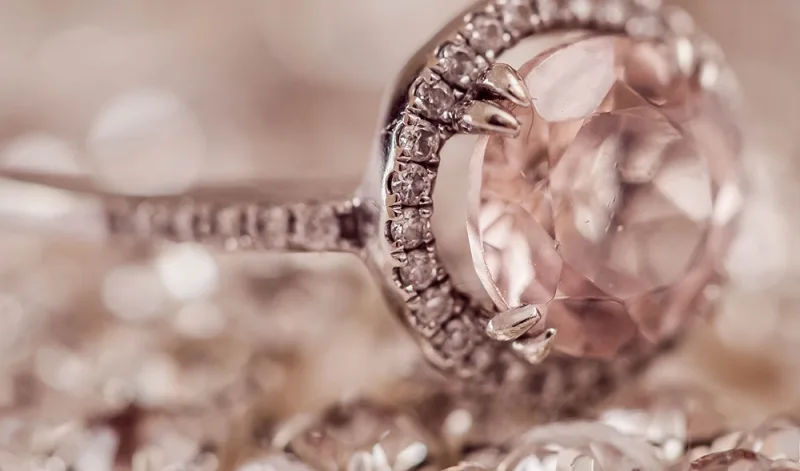
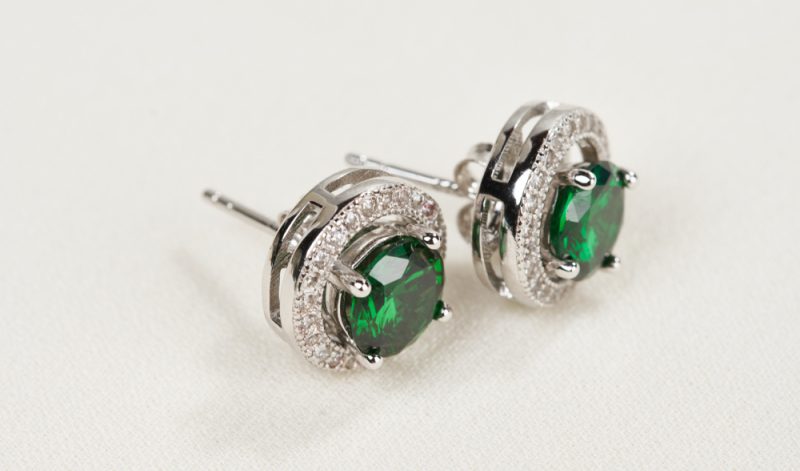
Sapphires, emeralds and rubies all offer distinctive character and, when properly set, are suitable for everyday wear. Sapphire engagement rings, for example, have remained popular since the ring worn by Catherine, Princess of Wales drew international attention.
For couples looking for something slightly different, coloured stones can offer individuality without necessarily increasing overall cost.
Vintage rings often combine character with value
Another option attracting growing interest is the vintage/pre-loved engagement ring.
Older jewellery pieces frequently reflect hand-finished craftsmanship that is less common in modern manufacturing. In some cases, they also contain larger stones than buyers might expect at a similar price point today.
However, because replacement costs depend on current market values rather than original purchase prices, obtaining an up-to-date valuation is especially important before arranging insurance. You can find out more about jewellery valuations here.
Reworking your own gold into a new Engagement Ring
Another increasingly popular option is reworking gold from existing jewellery into a new engagement ring.
Many people already own pieces with sentimental value perhaps inherited jewellery, unworn rings or older items that no longer suit their style. Rather than selling these for scrap value or exchanging them for credit, it is often possible for a jeweller to melt and reuse the original gold as part of a new design.
This approach can open both practical and emotional advantages. It may help reduce the amount of newly purchased gold required, which can soften the impact of higher gold prices. At the same time, it allows meaningful materials to become part of a ring with a new story.
Reworking existing gold can also appeal to couples interested in more sustainable jewellery choices, as it makes use of metal already in circulation rather than relying entirely on newly sourced material.
Choosing an engagement ring in a changing market
As we have seen, engagement ring prices have shifted in recent years, particularly as the cost of gold and gemstones respond to global market conditions.
However, there are still many ways to choose a beautiful ring that reflects your style and budget.
Lab-grown diamonds, coloured gemstones, vintage settings, using existing gold jewellery, and refined minimalist designs all offer different ways to balance appearance, meaning and budget.
Why jewellery insurance matters
Jewellery can carry both financial and sentimental value, which makes appropriate engagement ring insurance an important consideration, particularly as precious metal and gemstone prices change over time.
Arranging suitable engagement ring insurance helps provide reassurance that, if something unexpected happens, your item may be repaired or replaced in line with your policy terms. This may include cover for accidental loss, theft, or damage, along with protection both in and away from the home, and worldwide cover. To find out more about engagement ring insurance from Assetsure and to get a quote, click here. Or call one of the team on 0208 00 33 190 – they will be delighted to help.
Disclaimer: This article is based on information available at the time of writing. Precious metal and gemstone prices can fluctuate due to changes in global markets, supply conditions, and currency movements. As a result, costs referred to in this article are illustrative only and may change over time. For the most up-to-date pricing, it is advisable to speak directly with a jeweller or valuation specialist.