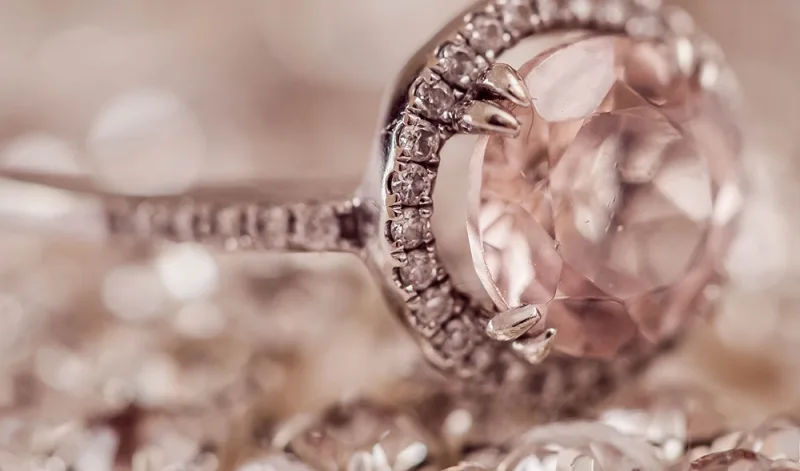
Along with the design, metal type, and the gem type and colour, choosing a stone shape is an important decision when buying an engagement ring. And of course, while personal taste plays a major role, there are shapes that hold long standing appeal. In this blog we discuss some of the popular engagement ring stone shapes. But first…
Why is the cut of the stone so important?
When you’re choosing an engagement ring, it’s easy to focus on carat weight or gemstone colour first - but the cut of the gemstone is what makes the biggest difference to how beautiful the ring looks day to day.
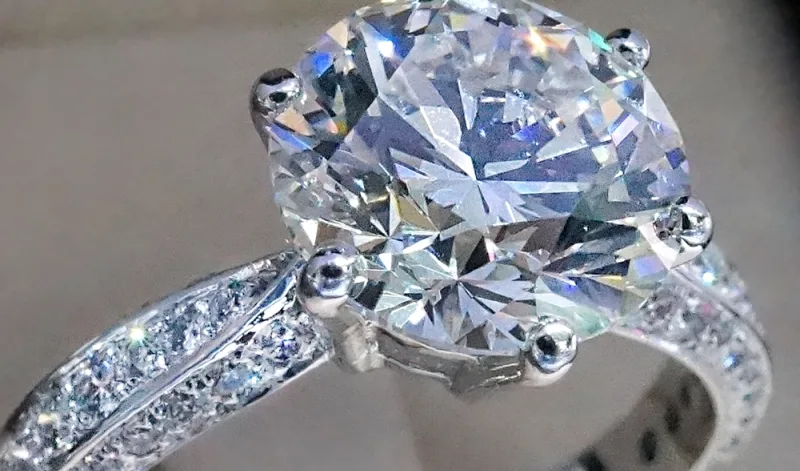
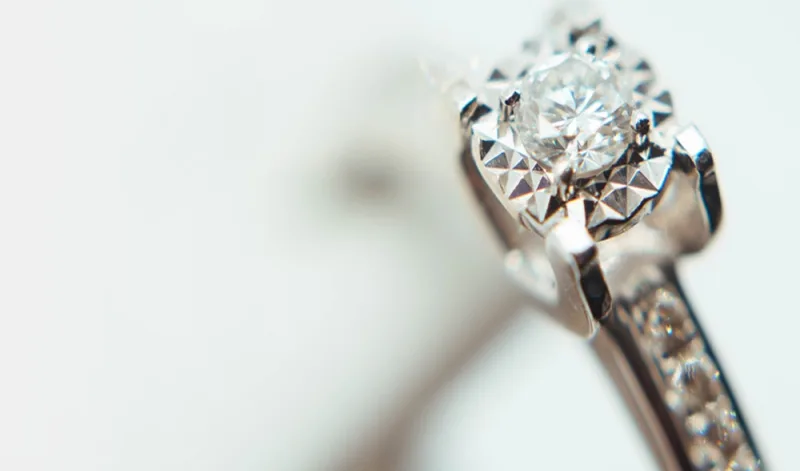
A diamond’s brilliance depends mostly on how well it is cut: if the proportions are right, light reflects through the top of the stone, making it look lively and bright; if the cut is too shallow or too deep, light escapes and the stone looks dull.
Cut also plays a major role in how rich a gemstone’s colour appears. So, coloured gems need to be cut at precise angles, so the colour looks balanced and vibrant rather than washed out or too dark.
Importantly, cut influences how big a stone looks. Two gems with the same carat weight can appear very different in size depending on how they are proportioned.
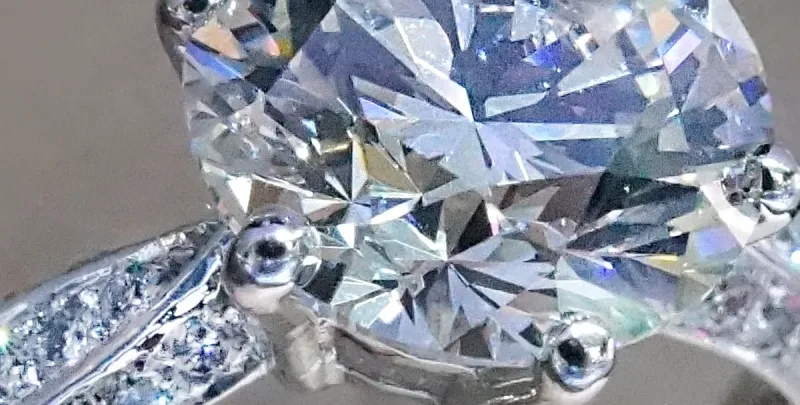
Finally, cut affects durability. Expert cutters avoid overly thin edges or fragile points that could chip by adjusting facet angles or adding protective features. (A facet is a small, flat, polished surface cut onto a gemstone. Facets are arranged in precise patterns to reflect and refract light, enhancing the stone’s brilliance, sparkle and overall appearance).
In short, even a high carat, high colour gemstone won’t shine unless it’s been cut well. A quality cut brings out sparkle, balances colour, hides flaws, protects the stone and makes your engagement ring look its very best every single day.
With all this in mind, let’s look at some popular ring stone shapes…
Round brilliant: The consistently popular choice
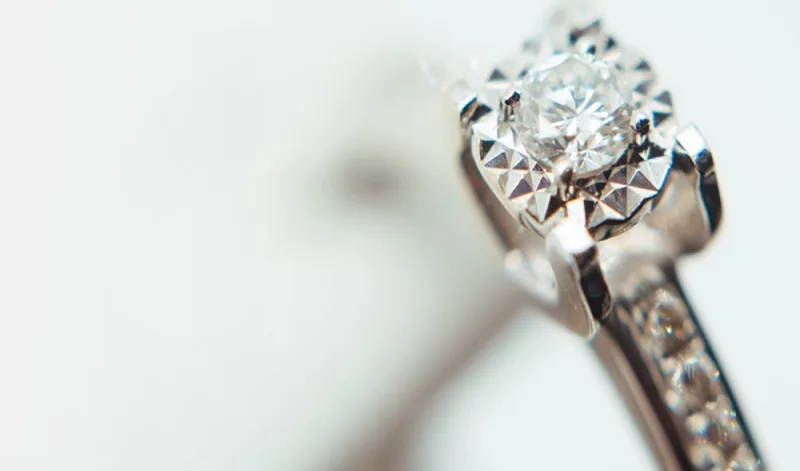
The round brilliant diamond continues to be the favourite engagement-ring shape for many couples, largely because its facet arrangement is specifically engineered to maximise sparkle.
Because of this light optimised design, round brilliants tend to look lively and full of movement, even in softer indoor lighting. Their classic silhouette makes round brilliants incredibly easy to wear they work beautifully in everything from simple solitaires to halo designs and modern, minimalist settings.
Oval: An elegant modern trend with strong appeal
Oval diamonds have grown into one of the most sought after alternatives to the traditional round. The elongated outline draws the eye along the finger, giving a naturally flattering, lengthening effect.
Ovals also tend to appear slightly larger than their stated carat weight, which adds to their appeal.
Pear shaped: A shape with centuries of heritage
The pear cut has a long history, originating in 1475 when Flemish cutter Lodewyk van Bercken created it using his revolutionary polishing wheel. Often called a ‘teardrop’, it combines the softness of a round stone with the drama of a marquise.
With its rounded end and gently tapered point, it creates a flowing silhouette that subtly elongates the hand. Its long history, individuality and quiet glamour is why the pear cut continues to have a loyal following even today.
Emerald cut: Understated glamour with a vintage feel
Known for its long, mirror like flashes, the emerald cut suits people who prefer a sleek, refined look. Jewellers often recommend higher clarity for this shape because its open style shows more detail.
Its association with Art Deco styling helps keep it a favourite among vintage inspired designs.
Cushion cut: Romantic softness with timeless appeal
The cushion cut has evolved enormously over the past few centuries. Early cushion cuts sometimes called “old mine cuts” were designed before modern precision tools existed, meaning they had larger facets, a deeper shape and a gentler, candlelit glow. These historic cushion cuts were quite different from the modern versions we see today, with newer cutting styles developed specifically to enhance brilliance and light performance.
Cushion cuts today typically feature refined facet patterns that create more sparkle while still retaining the soft, rounded outline that gives the shape its romantic feel, appealing to buyers who want something timeless and feminine without feeling overly traditional.
Princess cut: A modern geometric favourite
The princess cut is probably one of the most recognisable modern shapes, with its clean, square silhouette and brilliant facet structure. Its angular lines give it a striking presence, especially for buyers who want something bold and architectural without losing the brightness of a brilliant cut.
Another part of the princess cut’s appeal is how well its cut makes use of the original rough crystal. Because its shape follows the natural outline of the diamond more closely, cutters lose less material in the process. In many cases, that means better value per carat compared with cuts that require more of the stone to be removed.
Combine that practicality with its crisp lines and bright, lively sparkle, and you get a diamond that feels confident, contemporary and full of character.
Marquise cut: Dramatic, historic and eye catching
The marquise has quite a history. It’s widely thought that King Louis XV asked for a gem cut that echoed the smile of his mistress, the Marquise de Pompadour a detail that has followed the design ever since and adds a certain old world glamour.
Its elongated outline and elegant points create a striking look on the hand, often making the diamond seem larger than its actual weight. While it’s not as commonly chosen today as the round or the oval, the marquise still has a devoted following among those who enjoy vintage influences, sweeping lines and a design that isn’t seen everywhere.
The twin points give the shape a lightness and sense of movement, blending delicacy with real visual punch. It’s ideal for anyone who wants a ring that feels distinctive and carries a touch of history.
Why shape choice matters for everyday wear
Different ring stone shapes come with their own practical considerations. Stones with pointed tips (marquise, pear) benefit from protective settings; rounded shapes (round, oval, cushion) are naturally more robust against accidental knocks. These are widely accepted jewellery industry assessments rather than numerical claims, but they influence how buyers narrow their choices.
Protecting your engagement ring
Regardless of shape, an engagement ring is both a financial and emotional investment, worn daily and therefore exposed to risk. Specialist engagement ring insurance from Assetsure helps ensure your ring is repaired or replaced if it is lost, damaged or stolen.
For more information, please contact us on 0208 0033 190 or get a jewellery insurance quote here.