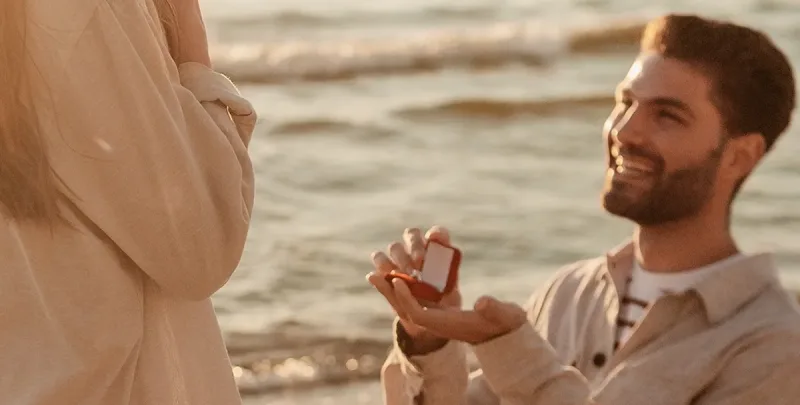
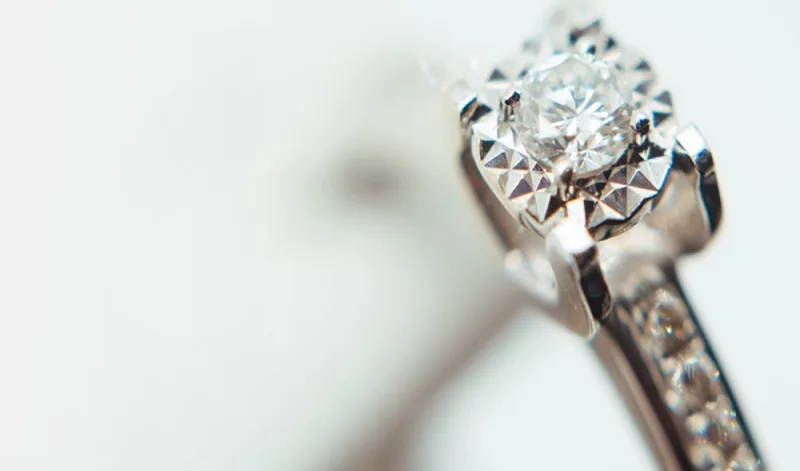
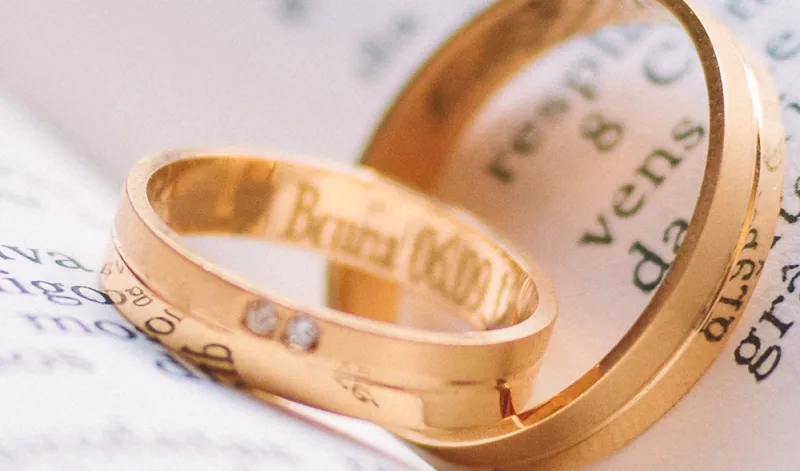
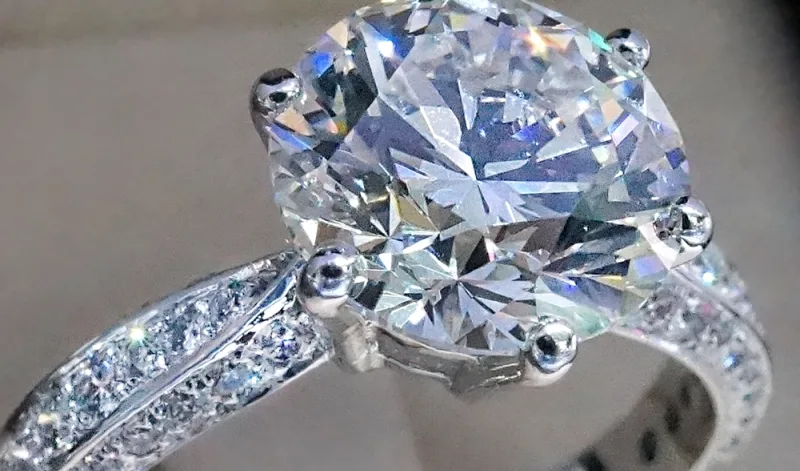
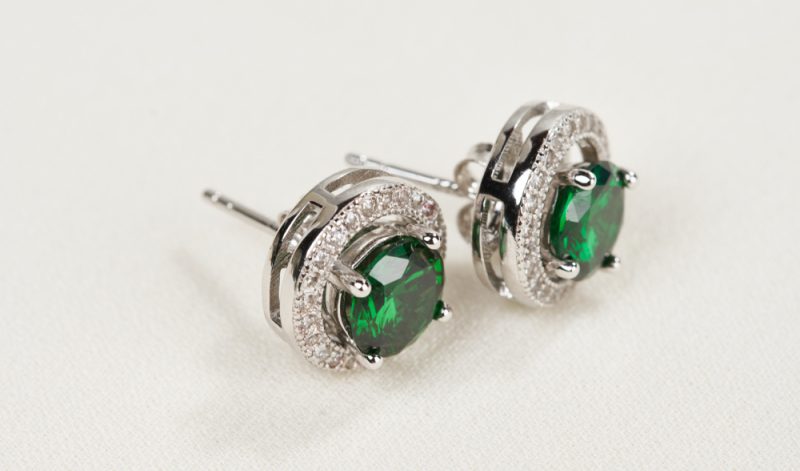
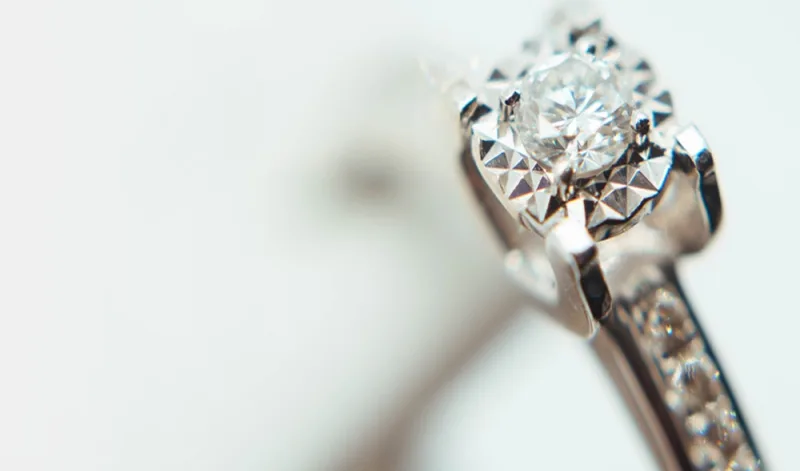
Diamonds still dominate the engagement ring market in the UK, but more couples than ever are looking beyond tradition. Some want colour; others want better value; some are drawn to the idea of choosing something that feels more personal. Whatever the motivation, the world of diamond engagement ring alternatives is rich, varied and full of character.
A non-diamond stone can still be incredibly durable, beautiful and meaningful. Many options are more colourful than diamonds; some are rarer; while others offer more impact for the same budget.
As well as discussing the different gemstone colours and options, we look at their durability for every day wear, listing some of the most popular diamond alternatives in order of hardness. We start with the toughest stones on the Mohs scale and work down to the softer options.
Understanding Mohs hardness
When you’re choosing a gemstone for an engagement ring, one of the most useful bits of information is how well it tolerates day-to-day wear. Jewellers often refer to the Mohs hardness scale, a simple guide that ranks minerals by how easily they scratch. It isn’t a complicated scientific system - more a practical way of comparing one stone to another.
Diamonds (including lab grown diamonds) sit right at the top, which explains their reputation for toughness. But plenty of other stones come surprisingly close. Those higher up the scale cope well with regular wear; those lower down can still make stunning engagement rings they just need to be treated a little more gently or set in a way that protects them.
A lower score certainly doesn’t mean a gemstone is inferior. Some of the most striking stones emeralds and opals, for example, simply have different characteristics. The scale is there to help you understand what fits your lifestyle rather than steer you away from softer stones altogether.
Moissanite - Mohs hardness 9.25
Moissanite is often the first stone people look at when they want the brilliant look of a diamond without the same price tag. It’s incredibly tough so tough that it’s genuinely hard to scratch and it sparkles with a colourful, lively fire that some people even prefer to a diamond’s more restrained brilliance.
Originally discovered in a meteor crater, moissanite today is grown in laboratories. That makes it an ethical, traceable choice, and it also keeps prices much friendlier than diamonds. For anyone who wants a bright, clear stone that holds up to years of daily wear, moissanite is one of the strongest contenders.
Sapphire - Mohs hardness 9
Sapphires are best known for their deep blue tones, but they come in an extraordinary range of colours: pink, yellow, green, white, teal and even colour changing varieties. Their strength makes them ideal for engagement rings second only to diamonds and moissanite on the durability front.
Heat treatment is very common and perfectly normal; jewellers should always tell you what’s been done to the stone. Whether you pick a classic royal blue or one of the modern, highly sought after teal or peach hues, sapphire brings a sense of depth and heritage to a ring.
Ruby - Mohs hardness 9
Rubies and their romantic red colour have been associated with love and vitality for centuries, which makes them a natural fit for engagement rings.
The finest rubies are richly saturated and bright, though more affordable rubies still offer beautiful colour. Heat treatment is widely used to improve clarity and colour, and full disclosure is the mark of a reputable jeweller. If you love bold tones and want something that can handle everyday life, ruby is a strong option.
Spinel - Mohs hardness 8
Spinel is one of those stones people often fall for unexpectedly. Many are naturally bright and clean, and the colours hot pink, red, blue, grey and black can be incredibly striking. It has long been mistaken for other gemstones, especially rubies, which is why it appears in some antique pieces.
One of spinel’s major attractions is that it is rarely treated. What you see is usually what nature produced, which appeals to buyers who prefer minimal enhancement. It is also tough enough for daily wear, making it a practical yet distinctive alternative.
Emerald - Mohs hardness 7.5-8
Emeralds have that unmistakable green rich, deep and completely unique. Almost all emeralds contain natural inclusions. An inclusion is material that becomes trapped inside a mineral during its formation, whether that’s small crystals, gas or liquid bubbles, or fractures created by radioactive elements in the host stone. This makes each stone potentially unique, and for many people, these internal features add to its story and charm.
Most emeralds are oiled to improve clarity, which is a long established practice. They can certainly be worn daily, but a protective setting is usually recommended. If you love heritage, symbolism and a gemstone with real presence, emerald is hard to resist.
Aquamarine - Mohs hardness 7.5-8
Aquamarine has a calm, icy blue tone that works beautifully in modern settings. Its clarity and gentle colour make it ideal for step cut styles, where you can see right into the stone.
It holds up well to daily wear, although high set designs may be more vulnerable to knocks. Aquamarine is a great choice for anyone wanting a pale blue stone that feels fresh, elegant and understated.
Morganite - Mohs hardness 7.5-8
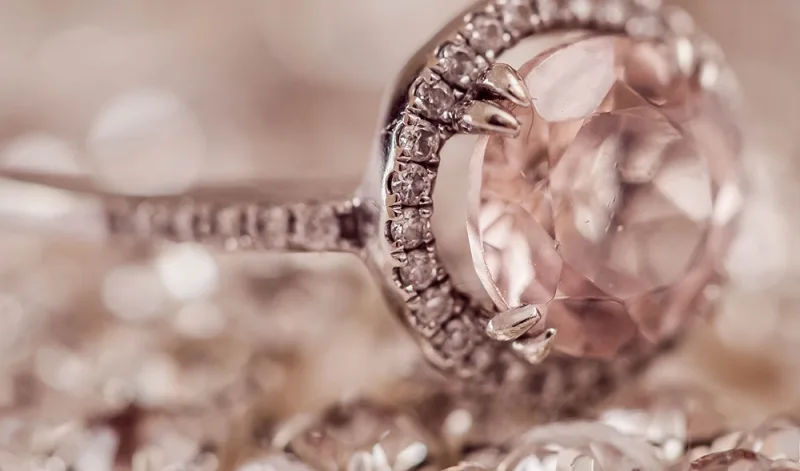
Morganite’s soft pink and peach tones have made it one of the most popular alternatives in recent years. Paired with rose gold, it creates a romantic, vintage-inspired look.
Its affordability is a major draw too - larger stones tend to be much more accessible in morganite than in comparable gems. If you prefer warm tones and gentle, feminine colour, morganite is worth exploring.
Tourmaline - Mohs hardness 7–7.5
Tourmaline is one of the most colourful gemstones you can choose: deep greens, moody blues, vibrant pinks, even bi-coloured stones that blend two shades. It’s a great fit if you want something modern and expressive.
Durability is generally good, although inclusions and colour zoning can vary. Choosing a well-cut stone with even colour is key. Tourmaline feels contemporary and individual ideal for someone who wants their ring to feel a little different.
Garnet - Mohs hardness 6.5-7.5
Most people think of garnet as red, but this gemstone family includes some stunning colours green tsavorite, orange spessartite and pink rhodolite, to name a few. Garnet offers strong colour without an extreme price tag.
It is softer than the stones above it on the list, so it may mark over time if worn daily. Even so, with the right setting and a bit of care, it can make a striking and affordable engagement ring.
Opal - Mohs hardness 5-6
Opal is unlike any other gemstone. Its shifting flashes of colour - greens, blues, pinks, oranges look almost painterly. But it’s also the softest stone here, meaning it’s more vulnerable to knocks and scratches.
Opal can still be used for engagement rings, especially in protective settings, but many people choose it for occasional wear. If originality is your priority, though, opal’s character is unmatched.
Choosing the right metal for your gemstone
Your choice of metal can change the whole feel of a ring. Platinum is the strongest and pairs well with softer stones like emerald. Yellow gold gives rubies, emeralds and sapphires a warm, traditional finish. Rose gold works beautifully with morganite and other pink stones, while white gold suits moissanite, aquamarine and white sapphire. Testing different metals against your chosen stone is often the best way to see what feels right.
Our blog How to choose the perfect metal for your ring goes in to this in more depth.
Why gemstone documentation matters
While the gemstone itself takes centre stage, the paperwork behind it is equally important. Certification confirms what the stone is, any treatments it has had, and sometimes where it came from. It also helps establish value, which becomes essential if you decide to arrange engagement ring insurance or include the piece under broader jewellery insurance. Valuations should be updated periodically so your cover reflects current market prices.
FAQs - Engagement ring gemstone alternatives
As you can see, there are lots of wonderful alternatives to having a diamond in an engagement ring and quite a lot to consider if you are looking for an alternative. So, to help you choose, we’ve answered five frequently asked questions about diamond ring gemstone alternatives…
- Which gemstones hold up best to everyday wear?
Moissanite, sapphire and ruby are the toughest options after diamond. - Which stone looks closest to a diamond?
Most people choose moissanite for its bright, clear sparkle, while white sapphire offers a softer look. - Are softer stones unsuitable for engagement rings?
Not at all - they simply require more thoughtful design. Emeralds, for example, can be worn every day when set securely. - Should I ask for certification?
Yes. Independent reports give clarity and confidence, and they’re useful if you want to insure your engagement ring. - Can a gemstone ring be resized?
Usually, yes - your jeweller will advise on the safest approach depending on the stone and the design.
Protecting your gemstone engagement ring
Once you’ve chosen a gemstone for your engagement ring or other jewellery piece, it’s sensible to make sure it’s properly protected. At Assetsure we offer specialist jewellery insurance, precious stone insurance and engagement ring insurance, providing protection against loss, theft and accidental damage for single pieces or entire collections, worldwide*.
To speak with the team please call the team on 0208 0033 190. Or click here to get an online jewellery insurance quote.
Further reading: Precious and semi-precious stones.
*Limits apply