Choosing wedding anniversary jewellery for each milestone
Wedding anniversaries have a habit of creeping up quietly. One year may blend into the next, until suddenly a number carries weight five years, ten, twentyfive. When that happens, many couples find themselves thinking about how to mark the moment, and it is often then that the familiar idea of “traditional” anniversary gifts resurfaces.
Many people may have heard fragments of it: paper for the first year, wood at five, silver at twenty-five, diamond at sixty. These links feel established, almost official, yet in practice, they tend to operate less as rules and more as cultural shorthand, offering a loose framework rather than a checklist.
Jewellery continues to sit at the centre of anniversary gifting for a simple reason. Unlike many presents, it lasts. It can be worn often or occasionally, changed as styles evolve, or set aside and returned to years later. In some cases, it becomes part of a wider family story. That sense of continuity is what gives anniversary jewellery its lasting appeal.
How anniversary gift traditions developed
The idea that anniversaries should be marked with specific materials did not appear overnight. In fact, for much of history, only a handful of anniversaries were acknowledged at all. Earlier references suggest that long marriages were recognised sparingly, often with precious materials reserved for exceptional milestones.
Silver became associated with twenty-five years of marriage, while gold was linked to fifty. These were not arbitrary choices. At a time when life expectancy was shorter, reaching such anniversaries was unusual, and the materials chosen reflected rarity as much as celebration.
The more familiar anniversary lists began to emerge in the nineteenth century. In Victorian Britain and parts of Germany, anniversaries were increasingly marked with symbolic gifts, and written lists started to circulate. These linked each year of marriage to a material, beginning with everyday items - paper, cotton, wood before gradually moving towards metals and gemstones.
The intention was largely metaphorical. As the years passed, the materials became stronger, more durable or more valuable, mirroring the idea of a marriage that had weathered time. During this period, the industrial revolution and the discovery of diamond mines in South Africa also played a part, making jewellery more widely available and allowing it to feature more prominently in later milestones.
By the early twentieth century, particularly in the United States, these lists became more standardised. Retailers and publishers helped cement gemstones and precious metals as appropriate anniversary gifts, especially for significant years. From that point onwards diamonds, gold and coloured gemstones became closely associated with long marriages.
Traditional anniversary materials
In the UK, the following materials are commonly referenced when people talk about traditional wedding anniversaries:
- Paper (1st)
- Cotton (2nd)
- Leather (3rd)
- Linen (4th)
- Wood (5th)
- Iron (6th)
- Wool (7th)
- Bronze (8th)
- Copper (9th)
- Tin (10th)
- Crystal (15th)
- China (20th)
- Silver (25th)
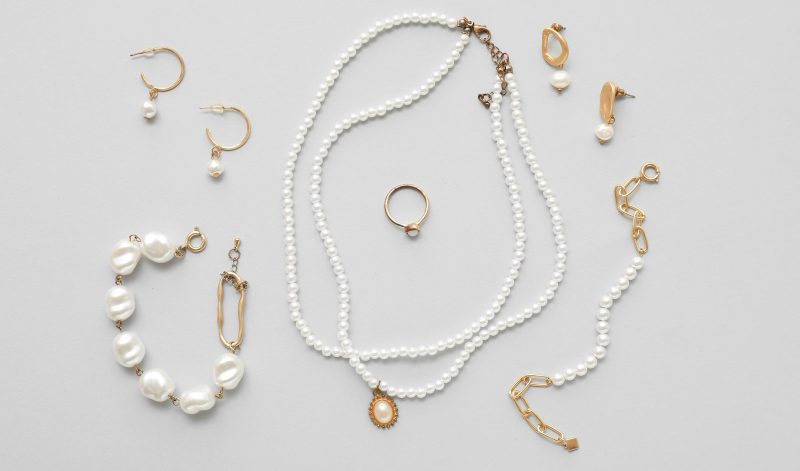
- Pearl (30th)
- Coral or jade (35th)
- Ruby (40th)
- Sapphire (45th)
- Gold (50th)
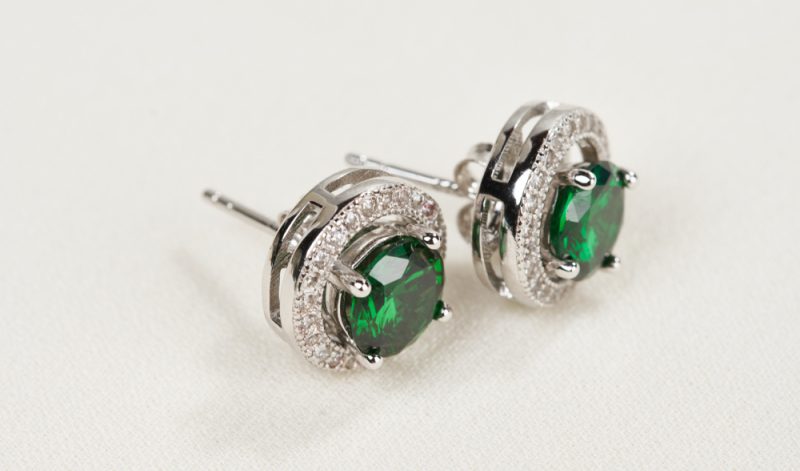
- Emerald (55th)
- Diamond (60th).
How jewellery choices tend to evolve
Of course, most anniversary jewellery is chosen with far less reference to lists than tradition suggests. Lifestyle, personal taste and circumstance usually matter more.
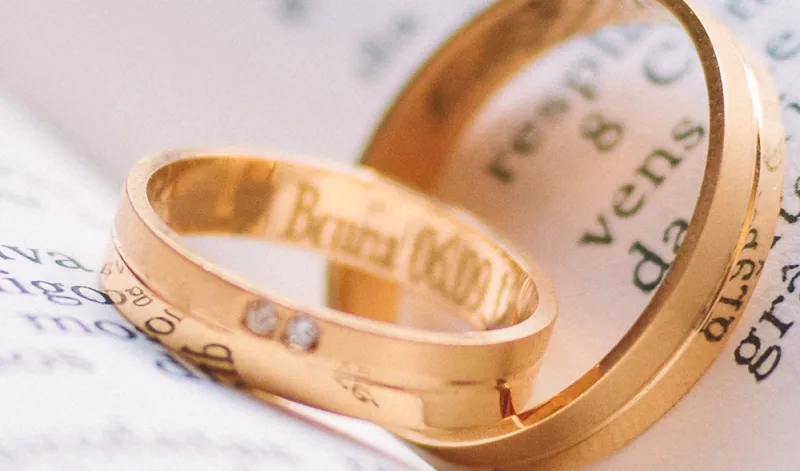
In the early years of marriage, jewellery gifts are often modest. Practicality still plays a role, and pieces tend to be easy to wear and relatively understated. A simple pendant, a slim ring worn alongside existing jewellery, a pair of stud earrings or a bracelet with a discreet engraving all feel appropriate at this stage. These gifts tend to blend into everyday life rather than stand apart from it.
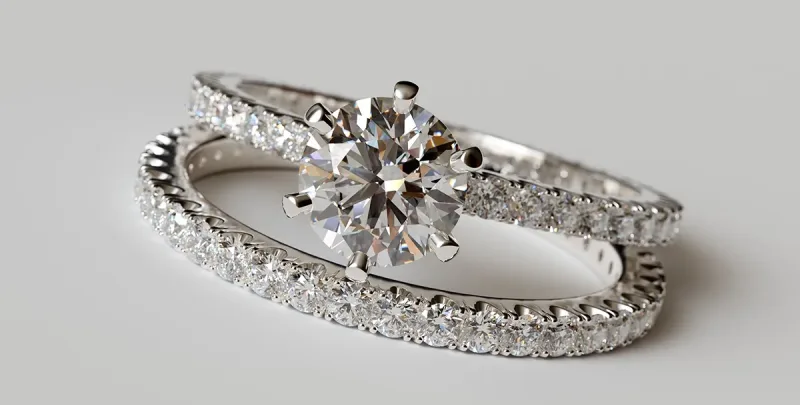
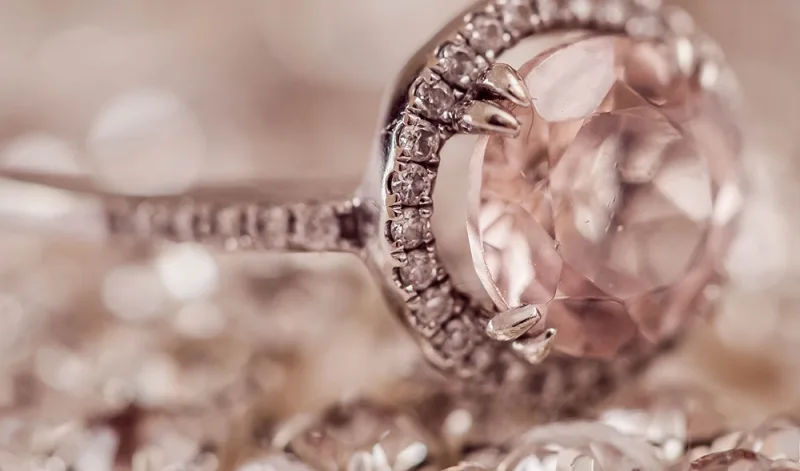
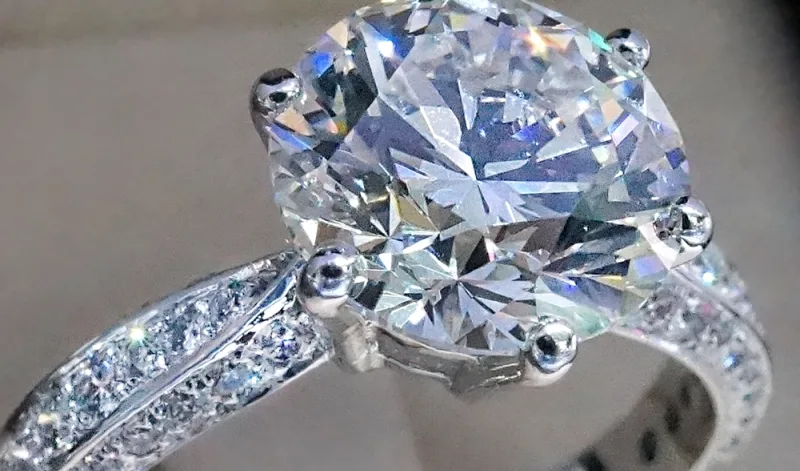
As marriages move into their second and third decades, jewellery choices often become more deliberate - some couples may choose an eternity ring to mark a milestone anniversary for example.
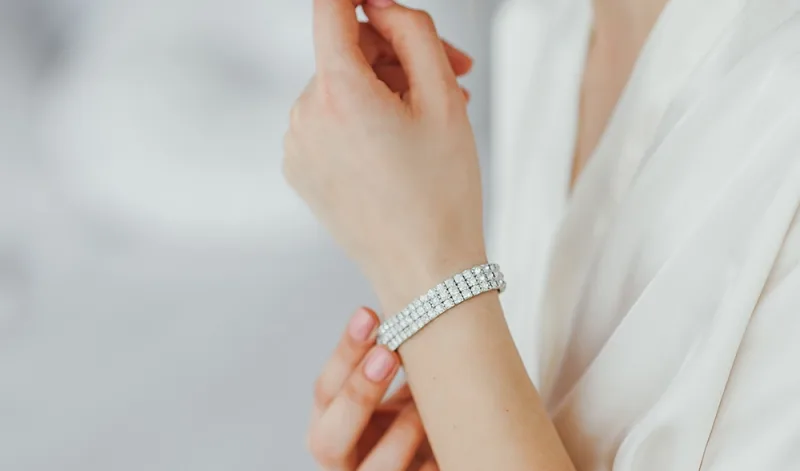
Gemstones, crystal-set designs and more substantial silver jewellery often appear at this point, chosen less for tradition and more for meaning or visual presence.
Later anniversaries are often approached with a different mindset altogether. By this stage, jewellery is frequently chosen with longevity in mind. Pieces may be larger, more distinctive or deliberately timeless. Pearl jewellery is commonly linked with thirty years of marriage, while rubies, Sapphires and Emeralds are associated with later milestones.
Gold signifies fifty years, sometimes through redesigned wedding rings or bespoke pieces that incorporate earlier jewellery.
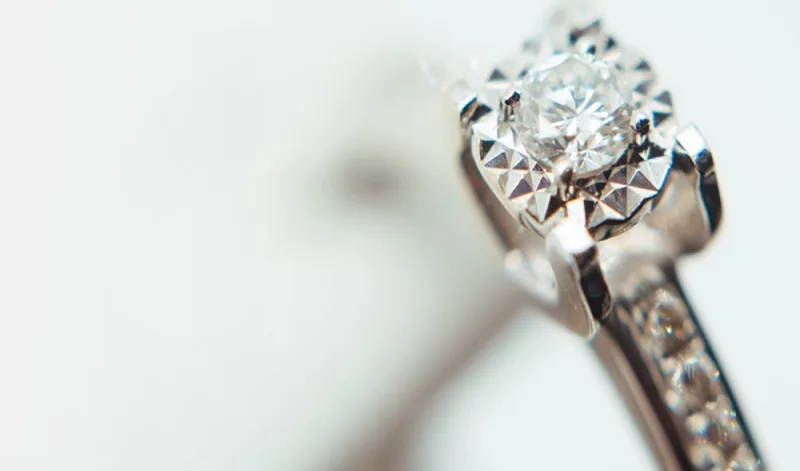
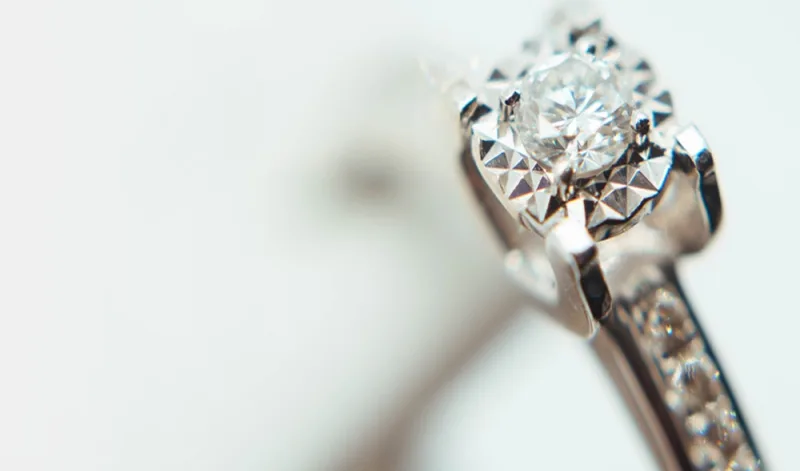
Diamond-set items are usually reserved for the most significant anniversaries.
Changing priorities in the UK jewellery market
Alongside tradition, wider shifts in consumer behaviour are influencing anniversary jewellery choices. Ethical and sustainability considerations are playing a more visible role than they once did. Buyers are increasingly interested in where metals and gemstones come from, how they are sourced, and how jewellery is made.
This has led to greater demand for transparency and clearer information, particularly where jewellery is intended to be worn regularly or kept long term. For some couples, these considerations now carry as much weight as tradition.
There are no fixed rules
Perhaps the most important thing to say about anniversary jewellery is that there is no single “correct” approach. Traditional lists can be helpful, but they are not rules. Some couples enjoy following them closely, others adapt them, and many disregard them entirely.
What tends to matter most is that the jewellery chosen feels appropriate to the people exchanging it their tastes, their lives and the point they have reached together. In that sense, the meaning of an anniversary gift is created by the couple, not the material it happens to be made from.
Protecting anniversary jewellery
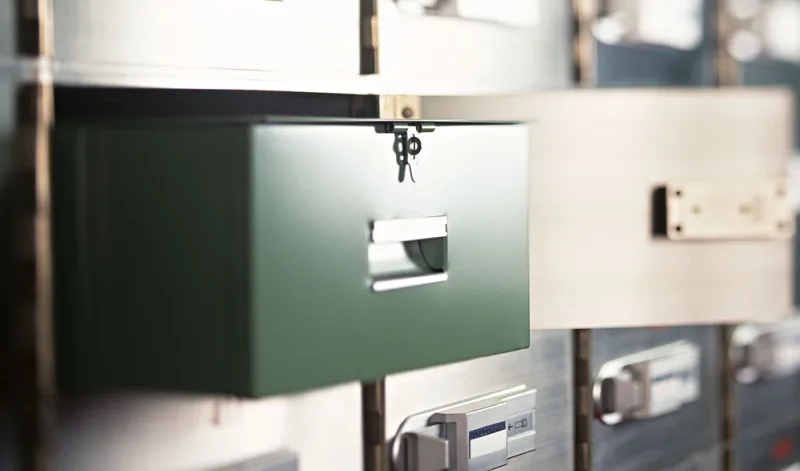
Because anniversary jewellery is often worn regularly, it is important to make sure you have the most appropriate insurance cover in place to protect your precious items.
As we discussed in a previous blog, standard home contents insurance may not always provide the most suitable cover for higher-value or frequently worn items. Instead, specialist jewellery insurance may offer a more appropriate option, potentially covering risks such as loss, theft or accidental damage, and (in some cases) worldwide cover.
Do note that the value of your jewellery can also change over time. Rising metal prices and shifts in gemstone markets can mean pieces are worth more than expected, particularly if they were purchased years earlier, which in turn can leave jewellery under-insured.
Once jewellery insurance is in place, it may therefore make sense to review cover periodically and update valuations where appropriate, to ensure protection remains in step with current values and circumstances. (Further reading: How often should you revalue your jewellery?).
Note: This article reflects commonly referenced historical sources and current UK jewellery practices. Anniversary materials and associations have evolved over time and vary by culture and personal preference. It is intended to offer background and perspective rather than definitive guidance.