And what is normally used in the UK?
Gold has been used in jewellery for thousands of years, but most people only encounter it through a handful of carat numbers stamped inside their rings, earrings or bracelets. Those small hallmarks 375, 585, 750, 916 or 999 tell you exactly how much pure gold the item contains, and they give an important clue about its colour, strength, and long term durability.
Understanding what each carat weight means is helpful when you’re buying jewellery, getting an item valued, or arranging jewellery insurance.
What “carat” means in gold
In jewellery, “carat” (ct) refers to the proportion of pure gold in a piece. Pure gold is 24 carats, so every carat number is simply a fraction of 24. For example, 18ct is 18 parts gold and 6 parts other metals. The remaining metals usually silver, copper, zinc, palladium or nickel are used to strengthen the alloy and adjust the colour.
The UK has a long tradition of regulating gold content through hallmarking. The current standards are set by the UK Assay Offices under the Hallmarking Act 1973, which requires any gold item over 1g to be hallmarked unless exempt.
The official fineness numbers you see inside a piece for example 375 or 750 are simply the gold content expressed as parts per thousand.
Further reading: Guide to hallmarks and hallmarking.
9ct gold (375): A common UK everyday gold
Gold content: 37.5% pure gold (375 parts per thousand)
Hallmark: 375
9ct is probably the most widely used gold alloy in the UK, particularly for everyday jewellery. It contains a lower percentage of pure gold than higher carats, but this makes it stronger and more resistant to wear, particularly useful for bracelets, earrings, chains and rings worn daily.
Why is 9ct so popular in the UK?
The UK has historically favoured durability over high gold purity. This preference dates back to Victorian and Edwardian mass-production and has remained strong, largely because 9ct offers an accessible price point and excellent practicality.
Colour and durability
Because the alloy contains a relatively high proportion of strengthening metals, 9ct gold tends to be:
- Harder wearing.
- Slightly paler in yellow tone than 18ct.
- Excellent for pieces that need to withstand knocks.
White and rose gold in 9ct form are also common in the UK. Rose gold may appear more coppery, while white gold is typically rhodium-plated to achieve a bright, white surface.
14ct gold (585): Popular globally, increasingly seen in the UK
Gold content: 58.5% pure gold (585 parts per thousand)
Hallmark: 585
14ct gold is the standard choice in the US and parts of Europe, and although less common in the UK, it is becoming more popular as international brands and online jewellers sell into the UK market.
Why UK buyers are seeing more 14ct gold
The rise of global brands such as Pandora, Swarovski and Etsy sellers means many UK shoppers now encounter 14ct gold routinely. Even British designers sometimes use 14ct because it offers a middle ground: richer colour and more gold content than 9ct, with more durability and a lower cost than 18ct.
This means that while you still won’t see 14ct dominating the British high street, it is a familiar option for engagement rings, designer pieces and imported jewellery.
Colour and durability
14ct gold has a warm, saturated yellow tone that is noticeably richer than 9ct. It also offers a good balance of strength and gold purity, making it suitable for frequently worn jewellery such as bracelets, pendants and charm jewellery.
18ct gold (750): The UK’s premium fine jewellery standard
Gold content: 75% pure gold (750 parts per thousand)
Hallmark: 750
Where 9ct rules the everyday category, 18ct gold is typically the benchmark for premium jewellery in the UK. It is popular for engagement rings, wedding bands, heirloom pieces and high-end brand designs, due to its vibrant colour and traditional prestige.
Colour and durability
With three-quarters pure gold, 18ct has a deep, rich yellow colour that many buyers associate with classic fine jewellery. It is softer than 9ct or 14ct, but still durable enough for rings and bracelets when properly designed. Its malleability is also useful for stone setting, allowing jewellers to create secure but delicate settings.
22ct gold (916): Traditional but less common
Gold content: 91.6% pure gold (916 parts per thousand)
Hallmark: 916
22ct gold is not as widely sold in mainstream UK jewellery stores, but it is extremely significant in South Asian, Middle Eastern and East African jewellery traditions (such as symbolising prosperity and purity, and as an investment), and therefore plays an important role in the UK market through specialist retailers.
Colour and durability
Because it is rich, soft and malleable, 22ct gold is ideal for bracelets and chains but not usually recommended for rings with gemstone settings, as the metal can bend under pressure.
24ct gold (999): Pure gold, used mostly for investment rather than jewellery
Gold content: 99.9% pure gold (999 parts per thousand)
Hallmark: 999
24ct gold is pure gold soft, malleable and richly coloured. While the hallmark is legally recognised, you will rarely see 24ct gold used for jewellery in the UK because it bends easily. It is unsuitable for gemstone settings or pieces exposed to wear.
Where 24ct gold is used:
- Gold coins
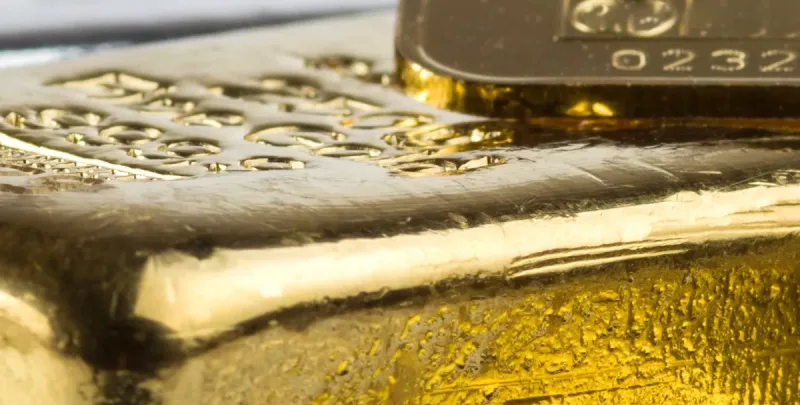
- Bullion bars
- Investment-grade jewellery from certain Asian markets
- Designer pieces where the softness is part of the artistic concept
In the UK, 24ct gold jewellery is more niche and usually purchased for cultural or investment reasons rather than daily wear.
Which gold carats are most common in the UK?
The UK market has a clear pattern shaped by long traditions of jewellery-making and consumer preference, with 9ct being the most dominant. It offers the best durability and value for money. It is ideal for buyers who want jewellery they can wear daily without worrying about dents or scratches.
14ct gold: Growing but not dominant
Imported brands, online sellers and international design houses have made 14ct more visible. Younger UK buyers increasingly encounter 14ct through Instagram brands and US-based retailers.
Fine jewellery: 18ct leads the premium market
Engagement rings, wedding bands, designer pieces and luxury brand jewellery sold in the UK are overwhelmingly crafted in 18ct gold. The deep colour and traditional prestige make it the preferred alloy for milestone purchases.
22ct gold: Strong cultural significance
22ct is an important part of the UK market within South Asian communities and is widely purchased for weddings and significant family occasions.
24ct gold: Rare in jewellery
While pure gold is prized for investment, it is simply too soft for most UK jewellery and therefore appears mainly in bullion or very specialised pieces.
How carat weight affects jewellery colour, strength and insurance
Colour
Higher-carat gold contains more pure gold, so the colour becomes warmer and more saturated:
- 9ct: lightest yellow
- 14ct: medium yellow
- 18ct: rich yellow
- 22ct–24ct: deep, intense gold
For white and rose gold, the alloy mix rather than the carat level determines the specific shade.
Durability
Because pure gold is soft, durability increases as carat weight decreases:
- 9ct and 14ct gold withstand knocks best
- 18ct gold remains suitable for engagement rings but requires occasional maintenance
- 22ct and 24ct gold are soft and can deform
Jewellery insurance considerations
The carat weight affects both valuation and replacement cost. Jewellery insurance providers and valuers need to know the exact fineness to calculate the replacement price accurately.
Carat weight also influences whether the replacement piece matches the original specification, which is why updated valuations are important. (Further reading: How often should you revalue your jewellery?)
The importance of knowing the carat
The carat number stamped into a gold item tells a great deal about how it will wear, how much it is worth and what it will cost to insure. In the UK, 9ct and 18ct remain the dominant choices, with 14ct becoming more familiar, and 22ct important within cultural jewellery traditions.
Understanding the differences can help jewellery buyers choose pieces that suit their lifestyle and ensures that valuations and jewellery insurance policies reflect the true nature of the gold.
Protecting your gold jewellery with Assetsure
Whether your jewellery is 9ct or 22ct, its carat weight has a direct impact on its value - which is why having the correct insurance matters. Gold prices fluctuate, craftsmanship varies, and replacement costs can rise quickly, especially for higher carat or bespoke pieces.
At Assetsure, we specialise in insuring individual items of jewellery as well as collections, offering cover that we believe goes far beyond the limits of many home insurance policies. (Our blog: Is jewellery covered by home insurance policies? covers this in more depth).
Policies typically include worldwide cover, protection against accidental loss or damage, and access to trusted jewellers if a repair or replacement is needed. If you own heirloom pieces, engagement rings, wedding bands or 18ct–22ct gold jewellery that carries sentimental or financial value, a specialist policy can offer reassurance that mainstream insurance often can’t match.
Get a quote
If you’d like to protect your jewellery with dedicated cover, you can obtain a jewellery insurance quote directly from us here at Assetsure either online or call one of our dedicated team on 0208 0033 190.