If you own jewellery and are looking for insurance, it is easy to assume that the only thing that matters is value. You obtain a valuation, declare the figure, and expect that to be the end of the discussion.
In reality, insurers assess jewellery risk using a broader lens. Factors such as your age and where in the country you live are also taking into consideration, as are previous losses.
The basis of settlement in your policy
Jewellery insurance policies typically specify how claims are settled. Common approaches may include:
- Repair (where possible)
- Replacement through a nominated supplier
- Replacement via your own jeweller
- Replacement via a specialist dealer
- Cash settlement (in certain circumstances).
Some policies prioritise replacement rather than cash. Others allow cash settlements, but normally at the insurer’s discretion or based on what it would cost them to replace the item.
Is a like-for-like replacement available?
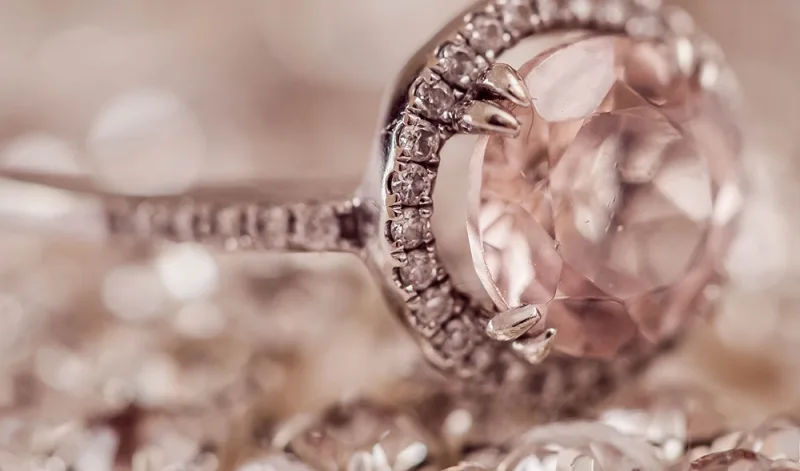
So, say for example you lose or badly damage an inherited vintage ring, if a comparable antique ring can be sourced through an antique dealer or specialist market, the insurer may prefer to replace it rather than pay cash.
If an identical or comparable piece cannot reasonably be located, the policy may allow for a cash settlement based on:
- The agreed value (if the policy is written on an agreed value basis), or
- The current replacement value, as assessed at the time of claim. Please bear in mind that your insurers can normally replace items of jewellery at more favourable terms than are available directly from the retailer.
it’s also important to note that any valuation you obtain only represents the maximum the insurer will pay, it does that mean it is what they will pay.
Jewellery policies normally operate on a replacement value basis, meaning settlement reflects the cost of replacing the item at the time of loss.
What do underwriters consider when insuring jewellery?
As mentioned above, when receiving a jewellery insurance proposal, insurers take into consideration, an items value, the age of the customer and where they live. Depending on the value of the item, there may be other considerations such as if you have a safe at home, and if it has a cash rating.
Recognised designer jewellery
Jewellery from established design houses often benefits from structure. Collections are archived. Specifications are standardised. Serial numbers and maker’s marks can support identification. This can make them easier to replace
For example, if a current-production designer ring is stolen, the insurer may be able to approach an authorised retailer to confirm availability and obtain a replacement quotation. Provided the model remains available and the policy terms allow the route to settlement may be relatively defined.
However, the presence of a designer name does not eliminate complexity.
Limited editions, discontinued lines or older vintage pieces can present sourcing challenges. Secondary markets may need to be explored. Availability can fluctuate. In some cases, an exact match may no longer exist.
In these circumstances, a recognised brand does not automatically equate to straightforward replacement, and the insurer may choose to work with you to create a new design based on the original or perhaps allow you to opt for a new design.
Bespoke commissions and one-off designs
Bespoke jewellery sits slightly apart because its uniqueness is usually intentional.
An engagement ring built around inherited stones. A remodelled brooch incorporating family gold. A commission marking a significant life event. These pieces are not chosen from a catalogue.
From an insurance perspective, the question becomes one of replication.
If the original jeweller retains computer-aided design (CAD) files, design drawings or detailed workshop notes, recreating the piece may be achievable. If those records no longer exist, a new craftsperson may need to interpret photographs and valuation text to produce a comparable item.
There is also the issue of materials. Inherited diamonds or historically sourced gemstones may not be replaceable in identical form. Even stones sharing the same grading report can display subtle visual differences.
Policy wording will outline how settlement is handled. This can be repair, replacement or another basis - but the practical complexity of a bespoke piece is often greater than its valuation alone suggests.
Vintage and inherited jewellery
Vintage and inherited jewellery brings its own set of challenges. Unlike bespoke commissions, their individuality is often the result of time rather than design choice. Age, changing techniques and the fact that the original maker may no longer exist all shape how these pieces are assessed.
An Art Deco ring passed down through family, a Victorian mourning brooch or a mid-century gold bracelet can carry decades of history alongside its financial worth. Paperwork is often sparse. Hallmarks may be worn, stones may have been reset, and earlier repairs might never have been formally documented.
For insurance purposes, provenance and condition matter. A current, accurate valuation is essential because demand for period jewellery can shift. A valuation prepared several years ago may not reflect what it would cost to source something comparable today.
Replacement is rarely straightforward. Vintage pieces are not sitting in display cases ready to reorder. Sourcing may involve antique dealers, auction houses or specialist restorers. If an identical example cannot be found, the discussion may turn to a comparable piece of similar era, craftsmanship and quality, always subject to the policy terms.
For owners, the key is realism. Vintage and inherited jewellery may be insured, but the replacement route may often be very different from that of contemporary retail pieces. Keeping valuations current and retaining whatever provenance records exist can help make the process far smoother if a claim ever arises.
Three contrasting examples
Consider three simplified scenarios:
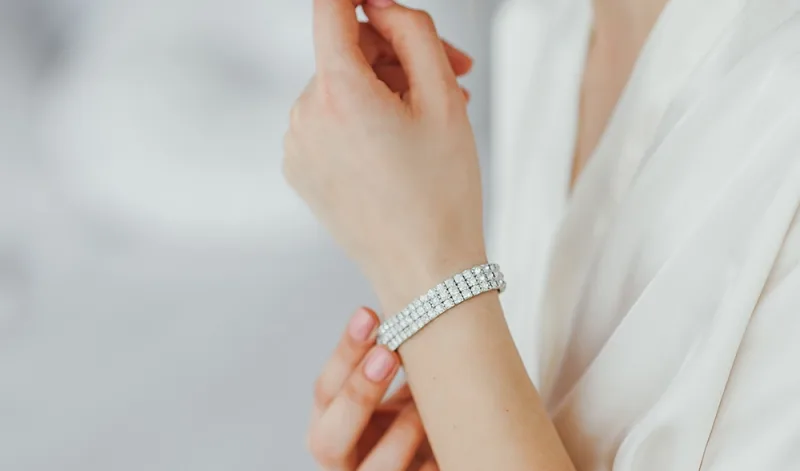
- A contemporary designer tennis bracelet remains in current production. The model number is known and available through authorised UK retailers. Replacement may involve confirming current retail pricing and arranging supply, subject to policy conditions
- A one-off aquamarine ring commissioned locally features a particularly vivid, slightly greenish stone. Matching that exact tone could require sourcing through specialist gemstone networks rather than standard suppliers
- An Edwardian brooch inherited through family generations is damaged beyond repair. The valuation establishes financial worth, but recreating original filigree work may require an experienced restoration workshop.
Each item may carry a similar declared value. The replacement routes, however, differ substantially.
Can I obtain jewellery insurance for a bespoke, inherited or unbranded piece?
Wherever your jewellery was purchased or obtained, it can still be insured in the same way. Insurers may require.
- A detailed and up-to-date valuation
- Clear photographs
- Gemstone grading certificates where applicable
- Proof of purchase if available.
It’s vitally important to read the insurers policy wording to understand what exactly they will want you to produce in the event of a claim.
Documentation remains central
Documentation underpins effective jewellery insurance.
A professional valuation should describe the piece in sufficient technical detail. Supporting documentation such as high-resolution photographs, gemstone certificates and purchase invoices may provide additional clarity. For bespoke commissions, retaining sketches or digital renderings may prove helpful if the original design needs to be referenced.
Regular reviews of the value of your jewellery are also important. Precious metal prices and gemstone markets can move over time. While insurance does not operate as an investment vehicle, outdated valuations may leave sums insured misaligned with replacement costs.
At Assetsure, we recommend having your jewellery re-valued at least every two years. This is not simply a procedural suggestion; it is about ensuring that your sum insured continues to reflect realistic replacement costs. A jewellery valuation that was accurate two or three years ago may no longer reflect the amount required to replace the item today on a like-for-like basis.
Jewellery values do not remain static. Precious metal prices can fluctuate, sometimes significantly, over relatively short periods. Gold and platinum markets are influenced by global economic conditions. Gemstone prices can also move depending on supply constraints, mining output, geopolitical factors and changes in consumer demand.
Regular revaluation can help you avoid underinsurance. This is where, if the declared value is too low, the sum insured may not cover the full cost of replacement. In the event of a claim, this could leave a shortfall.
In addition, periodic revaluation allows a professional jeweller or valuer to reassess condition. Wear, claw work and structural integrity can all change over time. Identifying maintenance needs early may reduce the likelihood of preventable damage. It may also be a condition of your policy to have a ring checked periodically.
Keeping valuations current, alongside clear photographs and supporting documentation, helps ensure that your cover remains aligned with real-world replacement costs.
Further reading: How often should you revalue your jewellery?
Aligning expectations with policy wording
Understanding the basis of settlement outlined in the policy wording is therefore essential. Some policies prioritise repair or replacement through nominated suppliers. Others may offer different settlement approaches.
Designer jewellery, independent pieces, vintage and bespoke commissions can all be insured.
Jewellery insurance for all types of items including designer, bespoke and vintage pieces
At Assetsure, we arrange specialist jewellery insurance designed to protect a wide range of items, including designer jewellery, independent workshop pieces, bespoke commissions and vintage or inherited jewellery. Our jewellery insurance is not limited to recognised brands. Whether you are seeking designer jewellery insurance for a current-production piece or cover for a one-of-a-kind handmade ring, each item is assessed on its individual characteristics.
By focusing on accurate valuations and clear documentation, we aim to ensure that jewellery insurance reflects the practical replacement route for your specific item, subject to policy terms, conditions, limits and exclusions.
Further reading: