Spain Guide Tenerife
Tenerife is probably the most well known of the Canary Islands, it is the largest and has the most diverse features in terms of landscape. This volcanic island is dominated by Mount Teide, the largest peak in Spain which rises some 3700 meters above sea level and is a landmark throughout the archipelago. The extremes of temperature on Tenerife are best demonstrated by the fact that during the winter months, Mount Teide can be covered with snow whilst on the beaches below; people are swimming and basking in the sun. Tenerife started to emerge some 5 million years ago and the whole island gravitates towards the central mountain region. This whole area is now a national park and at it’s eastern entrance, the El Portillo information centre can provide you with information and you will also have the opportunity to join walking tours of the area.
The park is very beautiful with an abundance of vegetation and fauna, and a dramatic volcanic landscape, although the mountain itself can be cool, temperatures in the park can reach as high at 40 C during the day time, and thus suitable clothing must be taken for both extremes. Teide itself stands in a large crater that is all that is left of a much larger volcano that erupted with violent force approximately three million years ago. The mountain is stunning to look at and leaves most people in total awe; it is perhaps the most prominent feature of the Canary Islands and may be in the whole of Spain. The only practical way to reach the summit is by “El Teleferico” Cable Car. The car journey starts at 2350 meters and finishes at 3550 meters. The trip lasts just under ten minutes and often you will be surrounded by clouds which should start to give way just before the summit to reveall the bluest of skies and the mountain in all of it’s majesty.
The actual summit of Mount Teide is an extra 160 meters above this point and it can be reached on foot; however to complete the journey, one of the local guides will have to accompany you. An Iron Cross marks the summit and from this point you should be able to see the other islands that make up the Canaries. On a clear day you will be able to look out over the Atlantic Ocean and see the coast of Africa. Alas it is not always possible to make the journey to the peak, often the wind is too strong or it may even be snowing, at these times it is too dangerous to make the assent and the car service will be suspended.
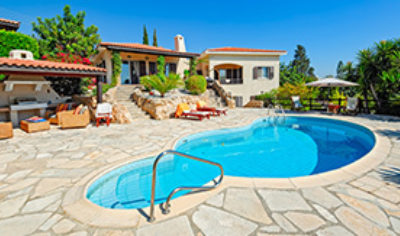
The rest of Tenerife consists of the hot and dry southern area where most of the well known resorts are located, this area is pretty much devoid of anything that is worth seeing and the Northern Area which is far greener and here you will be able to see many old style colonial villages and towns. This whole Northern Areas is more cosmopolitan in nature and here you will find the best of facilities coupled with quality shops, and restaurants similar in nature to what is expected on mainland Spain. Because of these excellent facilities, many people choose to purchase their Holiday Home in this part of the Island People have been coming to Tenerife for over a 100 years and it is an immensely popular place to visit. There is always something to do regardless of the weather and in common with the rest of the Canary Islands, Tenerife escapes the harshness of the winters that we so know and love in Northern Europe. If Tenerife does lack anything, then it is beaches, here there is little evidence of the fine golden sands that are found on Furteventura, however this doesn’t stop people from sunbathing on the black ash sands and Tenerife has more than enough other charms to compensate for this.
If you decide to buy a property in Spain and require holiday home insurance, including insurance for holiday letting, contact Assetsure for a quote.