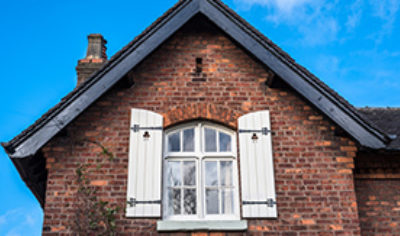
Caring For Your Listed Building
Introduction – owning a listed or historic building comes with a great deal of responsibility, caring for such a property can be a fairly arduous task and you may find yourself facing endless bureaucracy when dealing with any planning application even for something as simple as a conservatory. Listed building consent must be obtained before you carry out any alterations and there is always the chance that the local council will object to any planning application you make.
As the owner of a listed building (or perhaps you are thinking of buying one), you will be taking on the responsibility of looking after part of the nations heritage. Of course there is no statutory duty to improve the property, but you will not be allowed to permit the building to fall below the condition it was in when it came in to your possession. To this end, a photographic record of your building, when it came in to your possession is essential, video footage on a small camcorder ( with the date stamp switched on) would be even better.
A good way to start to care for your building is to find out as much of it’s history as possible, neighbours or the local library may prove helpful (especially if you can find an old local history book with photographs). The local council should be able to give you some information, especially if you approach them in the correct manner. See if you can find out how your building has changed over the course of it’s life, also have their been any changes to the location. Try comparing your building to other similar ones in the area, how do they differ, can you spot any structural deformation in your property.
These type of properties need love and attention and regular inspection and maintenance checks are essential if costly bills are to be avoided. To historic or listed buildings, water is the biggest enemy. You must make sure that the whole building is watertight as this will help to prevent damage to fragile timber roof structures. Make sure that your gutters and down pipes are correctly aligned and always free from leaves. This can almost be a daily task during certain months of the year. Leaky waste water pipes can easily cause damage to weather boarding or timber frames or worse can loosen masonry and mortar which can have serious consequences in historic or listed buildings. If you property has earth based walls, cob or wattle & daub, water can be an even bigger problem and penetration can cause substantial damage to the fabric of the building. Trailing ivy can look pretty but it can help keep walls damp and disguise problems which if left unattended can cause severe damage. Try getting in to the habit of giving your building a weekly inspection, keep a log and write down all works that need to be done.
Poor construction also leads to building failure and decay however, poor construction is not a term that should be used lightly to describe buildings that have often stood for in excess of 400 years. they may have been built with dubious techniques by today’s standards buy anything that has stood the test of time over many centuries, certainly deserves respect. More likely is that years of neglect have lead to a gradual degradation of the property and it’s mainly poor upkeep by previous owners that can be blamed for poor building conditions. Trees and plants have often been left to grow out of brickwork, and of course these will in time loosen walls, some older style historic buildings may now be suffering from the build up of acid rain dissolving brickwork and roofs.
Any damage to your home will having to be undertaken in a sensitive fashion using the appropriate materials and applicable techniques. Features should be repaired rather than replaced to help preserve as much of the original structure as possible. Any repair work should only be undertaken after expert opinion has been sought. Keeping your building in tip top condition will certainly cost your more than you would expect to pay for almost any other sort of building and your home will receive more attention from the local authority as it appears on this list of structures that need to be preserved. If you neglect your responsibility to maintain your building, you could find yourself on the receiving end of a repairs notice served on you by the local council.
This is not a matter to treat lightly, if you continue to fail to meet their demands, you could find that they apply to the secretary of state to have your property repossessed. If the building is unoccupied and in need of urgent work, you may find that the council carry out the work and of course, they will then come to you for reimbursement of their expenses. Many owners are confused as to what is termed essential maintenance to a property or what type of work will actually require listed building consent. In simple terms listed building consent is required for any work that will effect is value for listing purposes. This will almost definitely be the case for any major works and may be required for minor work or maintenance or repair. Simple work such as re-pointing and even repainting my require permission whilst identical repair work using matching materials may not.
There does not seem to be any definitive answer so we suggest that to be on the safe side, you always consult with your local authority before you undertake any work. It is doubtful if the local council could stop you effecting temporary emergency repairs to the property especially if it means the repairs are only carried out to prevent further damage to the structure. Changes of use of the building should also be broached with the council prior to activation.
You may find that you have to submit a listed building application where your plans may affect the setting of the building. Applications to the local council are fairly similar to normal planning applications and they will be able to supply you with the appropriate form if you give then a call. Usually no fee is involved but you will have to supply supporting documentation such as a site plan, a full description of the works and your views on how they would effect the listing along with a set of drawings showing the before and after position including elevations. Of course for any major works, you will be expected to furnish plans from an architect.
Your application will be considered in the normal way by the planning committee and you will have the normal rights of appeal. If you are forced to go to appeal, you have three months in which to submit all requested documentation. If you want more information of listed building planning consent, you can obtain a guide called Planning policy Guidance Note 15 ( PPG.15)- Planning and the Historic Environment. This useful guide should help you understand the nature of the Planning ( listed Buildings and conservation areas) Act 1990. This document can be found in any public libraries and you can obtain your own copy from HMSO Bookshop.
Not all important buildings are listed, some are located in conservation areas, these are areas that are designated of special historical interest and character and certainly if your building is located within one, you may need permissions to carry out any maintenance or alterations. These areas are not required to be mentioned on statutory lists but by setting them up, local councils gain a measure of control of what actually happens in these areas and any proposal you make will be considered taking in to consideration the location and area of the property.