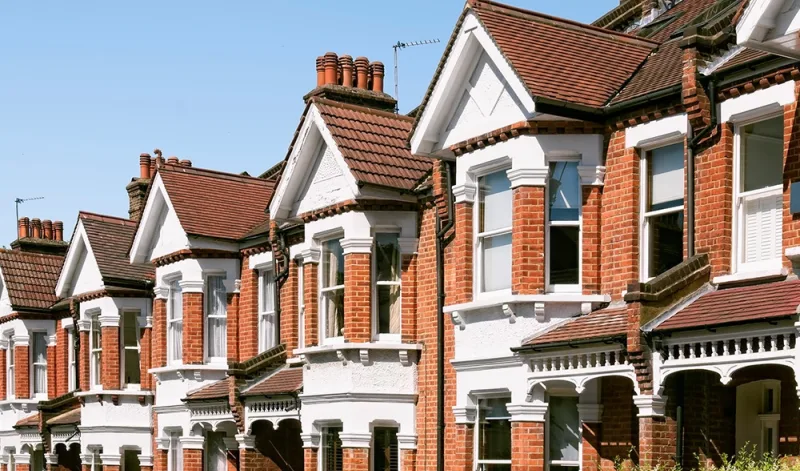
Since 1947, the United Kingdom has taken statutory steps to protect it’s heritage by listing important buildings, so as to ensure that future generations may benefit from our heritage.
Listed buildings and structures, offer us a window on the past, a retrospective of times gone by, in them we can see how previous generations, worked, lived and played, in addition to these grade listed structures, locations of historic events ranging from scientific discoveries to battles are also preserved as reminders of our varying contributions to history.
Listed buildings, monuments and structures offer us a look in to the past, but the process of conservation is ongoing, as we move through time and our society develops and changes, decisions need to be made as to what existing, modern buildings need to be listed as important to the period in which they were designed and used.
Whilst it’s fair to say that almost any building constructed and surviving in anything like it’s original format prior to 1840 is listed, anything that receives a listing that was built after the 1950s has to be an outstanding example of it’s time. Opinions on modern structures are often polarised, some buildings are revered because of their architectural prowess, whilst the same building may be viewed as a ugly carbuncle by others. Buildings have impact, they affect our daily lives, they are often thought provoking and outstanding examples will also need to be preserved, if sometimes they prove to be controversial.
Probably one of the finest examples of a controversial modern building is the Lloyds insurance building in the city of London. This steel and glass megalith created controversially by the architect Richard Rogers, addresses the infrastructure in a novel fashion by placing it on the outside of the building, all essential services are sited on the exterior in six vertical towers, thus creating large and uninterrupted spaces within. Anyone lucky to be able to visit this insurance building will be stunned by it’s central atrium, 14 floors and 76 meters (249 feet) tall. This building has had a huge impact since construction was completed in 1986. It has become an icon the world over as the headquarters of the world’s most important insurance institution. Beyond this, it is viewed every day by thousands of people, it provokes thought and debate. Witness many faceless city buildings and compare them next to the Lloyds building, a modern functional style icon.
For a Listed Building Insurance contact Assetsure.
The building’s extravagant design has led to numerous awards already including Civic Trust Award, Concrete Society Commendation and Financial Times ‘Architecture at Work’ Award in 1987, crowned with an RIBA Award in 1988 certifying it’s success and recognition and surely if any modern building should be listed then the Lloyds building must be a strong candidate.