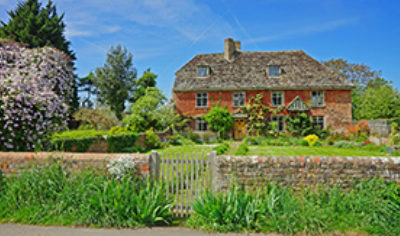
Holiday home ownership is becoming more and more popular as many people start to realise that this form of investment does come with certain tax advantages. Buy to let properties have been quite popular for many years but a new sector of the market, holiday home mortgages is beginning to open up. Holiday home ownership provides an excellent way of having you cake and eating it so to speak. You can buy you dream retirement home now at today’s prices, stay in it as often as you like, then rent it out for what ever part of the year you like and thus have other people help pay towards your mortgage costs.
In fact providing you choose your location carefully it is possible to have your mortgage repayments entirely met by the rental income. Properties in good locations will always rent and the season seems to be academic. Different people like different seasons and many trips are made to seaside resorts in the winter months by people just wanting to avoid the crowds. A good idea is to buy a property in an area that you enjoying visiting, before making a purchase think of all the reasons why someone would want to rent you holiday cottage and perhaps some reasons why they wouldn’t.
When you have purchased your building, Assetsure will be able to provide you with buildings and contents insurance policy including all the necessary liability covers that you will require. At the present moment we have facilities to cover the United Kingdom, Spain, Portugal, Malta & Gibraltar.
Rental Income Tax Issues
Holiday home ownership can come with some useful capital gains tax advantages as this type of letting is regarded by the taxman as being commercial. Your accountant will be able to give you professional advice but at the present moment, this type of investment is considered by the Inland Revenue as a business generating earned income rather than a buy to let property which is classed as an investment (unearned income). Of course with any tax break, there are rules and regulations and unless you abide by them, you will not qualify for the benefits. At the present moment, the rules only apply to the United Kingdom and your holiday cottage must be kept fully furnished and available for holiday lets for at least 140 days of the year. In addition to this, you must be able to demonstrate that you obtained at least 70 days of letting per annum on a commercial basis (as opposed to just letting your friends and families stay there at a discounted holiday rate). As well as the above, no let can be in excess of 31 days ( thus it is classed as a short term holiday let and they must be the only lets made over a period of a least 7 months.
The inland revenue make sure that you are running genuine business by stating that you cannot let the property to the same person or family for more than31 days in the year, however if you meet all the other 7 month rules, you are free to let the property to the same person in remaining 5 months of the year. This is quite an important ruling as in many parts of the country, there is thriving winter let market and you may be able to make good use of this When you come to sell your holiday home, if you decide that you do not wish to retire to it, you may be able to take advantage of Capital Gains Tax relief. In short, as the property is classed as business and depending on the amount of time you have owned the property, you may qualify for taper tax relief which can be considerably less than normal capital gains tax
To understand the rules fully, and find out about other relief’s you may qualify for including tax relief on buy to let properties, ask your professional adviser or Tax Office about CGT relief’s on the sale of UK holiday lettings property.
This article was correct at the time of writing.