Holland has been identified as a country that is likely to enjoy property growth in the next ten years although it has been in the past view as a ‘tough nut to crack’ However, this has not stopped many people considering the purchase of a holiday home or second home in the country. This is one of the reasons that property prices in the Netherlands have risen sharply in recent years but as the costs of acquiring property are expensive, investors should be aware, that buying property in Holland is perhaps best viewed as a long term investment proposition. Certainly, the market is more stable than in many other European countries, it is established and can be quite slow moving. Unlike many other countries, the Netherlands does not have many areas that are designated regeneration zones and thus ‘hot spot’ areas are harder to find.
Holiday Home Insurance Netherlands
Insurance for holiday, second or investment homes is now readily available from the United Kingdom and the perils covered should not be dissimilar to those on offer from a standard home insurance policy. The Netherlands has been struggling against flooding since people first settled in the region and obtaining a policy covering buildings &contents against a wide range of perils is essential. If you are intending to rent out your property, you will need to make sure that your insurance company knows of your intention and your policy has been suitably endorsed to include the correct form of liability insurance cover. Assetsure are able to help offer insurance for an Netherlands holiday home.
The Holiday Home Market in Netherlands
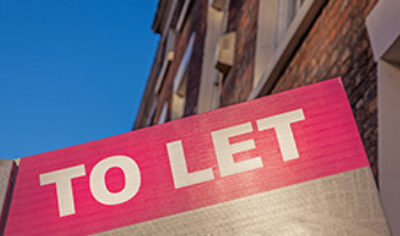
Investors are now considering purchasing property for long term rental because there is a shortage of rental properties in the Netherlands. The situation is more acute in the main cities and in recent years there has been a sustained program of new development, however these new developments are barely helping to scratch the surface of the problem as in many cases they are simply replacing older properties that are being demolished. Landlords can expect to receive strong rental yields from good quality property. Briefly, in Holland, renting is divided up between social or rent controlled schemes, these are run by the government through housing corporations and the usual private market.
Holiday Home Letting in the Netherlands
Under the rent controlled scheme, the government uses a points scheme based on a number of factors including the size and condition of the building and the facilities it offers and these are used to calculate the maximum rent you can charge. These schemes are popular as rents are often cheaper than can be obtained privately but of course their are long waiting lists. Most new overseas investors purchase property for rental in the private market. If you intend to use you holiday home for rental purposes, you will need to take legal advise to ensure that the property meets all current legislation regarding short term property rental. This type of information can usually be obtained at the same time you are researching your purchase to ascertain the viability of a rental prospect. If you do intend to rent your property, then the formalities are fairly similar to other countries. A contract is supplied but in the Netherlands the rental period is usually indefinite. All the usual terms and conditions are contained within the contract, details responsibilities, dates of rental reviews etc. Both the landlord and the tenant are required to sign the contract, and after the deposit has been paid the keys are handed over to the tenant. Before they move in they will also be required to sign an inventory of the contents and condition of the property. This is essential and can help to overcome arguments over the condition of items when the tenant decides to leave, On quitting the premises, you can then check the condition and contents against the original inventory and make any decisions on whether to withhold money from the deposit. As a landlord, you will be required to refund the deposit, minus any deductions for missing contents, necessary repairs ( you can include unpaid bills) within three months of your tenant leaving.
How to Buy a Holiday Home in Holland
As mentioned above, the actual process of buying a property in the Netherlands is not cheap when compared to other countries, you could find your costs to be in the region of 30% higher. Any offer made to a vendor is legally binding and is usually made via an estate agent or developer in the case of new build properties. In Holland you do have a ‘get out’ from this verbal offer but only if you are unable to raise the funds for the purchase. Restrictions are placed on this time scale and it can be as low as 7 days. In Holland it is also the law to hire a civil law notary to perform the registration process of property and whilst you can expect a professional service, this will of course add to the costs. The notary will perform many functions for you such as conducting a title search at the Land Registry, he will verify the authority of the seller to transfer the property and conduct research regarding the proposed representation of the two parties. Finally when these tasks have been carried out to his satisfaction, he will draft the deed of the transfer,, and carry out the final check for attachments before executing the deed. Investors from the United Kingdom will be familiar with the sellers information pack as they have recently been introduced for certain UK sales. The pack will include a survey and this can not only help to keep costs down but will alert you to any problems with the property prior to purchase. The main holiday home areas are: Drenthe, Flevoland, Friesland, Gelderland, Groningen, Limburg, Noord Brabant, Noord Holland, Overijssel, Utrecht, Zeeland and Zuid Holland.