Definitions of Blocks of Flats
The term “Blocks of Flats” can relate to a number of different types of property, all sharing the common theme, being they are occupied as “MDUs” or multiple dwelling units. There are two main groups of property under the block of flats umbrella; purpose built and conversions. Both can be insured under a blocks of flats policy but some insurers approach the buildings in a different manner.
Purpose Built – purpose built blocks have been in existing for over a hundred years, although building techniques have changed a good deal in this time. Some of the earliest purpose built blocks were in Scotland and known as “Tenement blocks”. These solidly constructed properties, built of mainly sandstone & granite are today home to a broad spectrum of society. Most insurance companies prefer purpose built blocks of flats, with their concrete floors and stairs acting as a natural firebreak, this helps to keep the cost of claims down. However, this type of construction is not without it’s problems from an insurance perspective. Many tower blocks, now in private ownership, were to be fair, not constructed using the best materials and on many occasions the design and construction is of poor quality. These properties often suffer from water peril claims, with minor water leaks from old pipes being the main culprit. Insurers frequently receive claims for damage to ceilings and walls, where water has leaked from a flat above. As well as escape of water from pipes etc, it is surprising the number of claims that arise, simply because people leave taps running.
One of the most important and often hard to answer questions when requesting an insurance quotation for a purpose built of block of flats relates to the construction of the roofing material. Most small new build blocks are now constricted with tiles & pitched roofs. However, older style buildings are often built with entirely flat roofs and these are mainly constructed on concrete of felt on timber. It’s important to enquiry as to the construction of the roof as many insurance companies are not overly keen on roofs that are entirely flat. Certainly, it is quite common for policies to contain a flat roof warranty. The purpose of the flat roof warranty is to ensure that the roof is kept in a serviceable condition
Flat roof warranties do vary from one insurance company to another, but the following is fairly typical. Remember, when buying insurance, it’s important to check both the Keyfacts and policy document as soon as possible so as you are fully aware of not only the cover afforded but your own obligations under the contract.
It is a condition precedent to public liability that the roof be of excellent repair and a further condition precedent to liability in respect of damage by storm, tempest and flood, that any flat felted roof portion of the within the property insured, shall have been inspected at least once every two years by a qualified builder or property surveyor and any defects brought to light by that inspection shall be repaired immediately. This warranty mentions the period, two years, however, some insurance companies are prepared to allow up to ten years between inspections. It must be remembered though; the average life of a flat roof is ten years.
Because Purpose built blocks of flats tend to be on the large side, they have other insurances that need to be considered. These include insurance for the lifts. If the property has a lift, then there is statutory requirement to have it inspected at regular intervals, this type of work is often undertaken by an insurance company and the cover can be extended to cover breakdown & sudden & unforeseen damage.
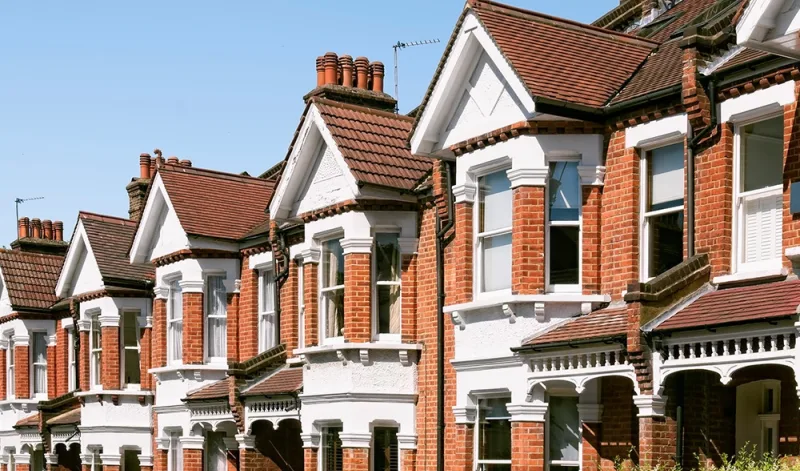
Conversions – the term conversions, mainly relates to converted houses although in recent years, there has been a fashion to convert former industrial premises in to luxury flats and apartments. In the main, this type of property tends to have lower sums insured and many insurance companies do not offer such attractive rates because the floors are almost always made of wood. However, that said, there are a number of insurance companies that specialise in this field and premiums can be just as competitive as those available for purpose built blocks of flats
One of the main problems, when insuring a whole property as a block is arriving at the correct sum insured. Many people make the mistake of simply adding up the individual flat values but this is not the correct method. The Association of British insurers do publish a guide to rebuilding costs but one of the first you will notice is that it clearly states “not to be used for blocks of flats”. However, with regard to conversions, a very ball park amount can be obtained but calculating the price as if the property was still a single dwelling, then adding on an amount for the conversion (In essence, extra plumbing, wiring, partitioning & sound insulation). There are a number of websites that comment on how much it costs to convert a property in to flats and whilst this method should not be totally relied on, it can give you an approximate idea. The only true way to calculate a sum insured is by contacting a local surveyor and requesting a valuation for insurance purposes. The fee can be split between all the flats and doesn’t need to be as comprehensive as a full structural survey. If you are taking on a block for the first time, this will help insure, you can be confident that the first time you insure the property, the sum insured will be adequate.
The purchase of buildings for conversion in to self contained flats is becoming more popular. Many landlords are waking up to the fact that buying and converting property in to two or more self contained units has a number of advantages. Often especially in inner city areas or areas of high employment, there is a big demand for flats, splitting a property in to a number of units can increase your rental income. Many landlords are interested in this process but do not know, where to start, we hope our guide proves useful.